By Rachel Sikkema
Published October 13, 2026
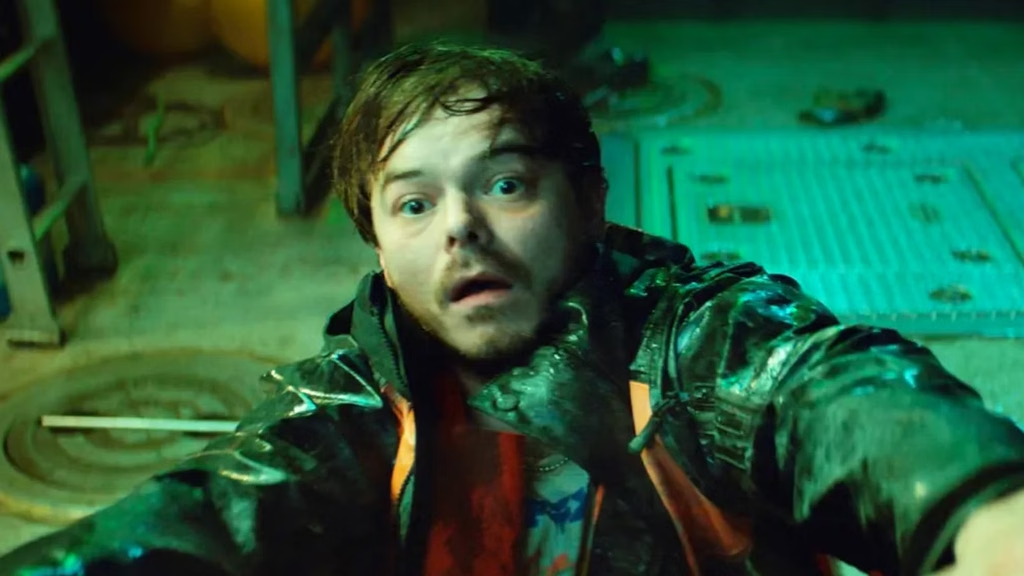
Calvin Penney is trying to save his family. He also keeps treating their survival as a chance to repair the childhood disaster he has carried into fatherhood. In Below, those impulses become tangled enough that loving his children can look suspiciously like needing them to stay where he feels safest.
That is where Josh Hartnett’s fisherman gets interesting. His devotion is easy to understand. Living under it looks considerably harder.
Calvin wants to protect a home that still means something to him. His children have their own relationships with that place, including reasons to leave it. The emotional tension comes from how readily a parent’s fear of another loss can become everybody else’s responsibility.
Calvin Learned That Saving People Means Losing Someone
As a child, Calvin cut the rope connecting his family’s boat to their sinking house while his father remained inside. The action saved the others. He has spent years carrying it as a personal failure.
That is a vicious foundation for a future father. A frightened boy makes an impossible decision and grows into a man who measures himself against an imagined version of events in which he somehow saved everyone.
There is something especially cruel about the house itself going under. His loss has walls and rooms. Home becomes an object he could physically see disappearing.
Read through that experience, his attachment to Snook’s Arm carries a desperate logic. Keeping a family in place might feel like proof that this time he can hold everything together. Another departure becomes another thing slipping beyond his reach.
I find that more affecting than the familiar portrait of a stubborn man refusing to discuss his feelings. Calvin has effectively built a whole approach to parenting around an emergency that ended decades ago. His children get to grow up inside the precautions.
Staying Gives Wade Very Little Room to Grow
Charlie Heaton’s Wade makes the weakness in Calvin’s idea of togetherness particularly uncomfortable.
Wade stayed. While his siblings went elsewhere, he remained in the town with his father. By the simplest measure of family loyalty, he has done exactly what a lonely parent might hope for.
He is also stuck.
That combination matters. Physical closeness offers Calvin reassurance while giving Wade few opportunities to become someone his father sees differently. The son remains available for the same familiar judgments. Everyone already knows what sort of trouble he gets into.
Small communities can make affection feel wonderfully dependable. They can also keep handing you the personality you had at seventeen.
There is an awkward question sitting between these two men. What does Wade actually receive for staying? A place in the family is precious. So is the chance to be treated as an adult whose future remains open.
Calvin’s concern for him can be sincere and still feel suffocating. A father who expects foolishness may keep finding it because every new mistake confirms an old story. Eventually the son has very little incentive to surprise him.
This is the family dynamic I would happily spend more time with. A creature can endanger Wade’s body. Being permanently understood as the disappointing child wears away at something quieter.
His Children Have Lives Beyond the Reunion

Mary, played by Ruby Stokes, returns after three years away. Rohan Campbell’s Jay arrives with the appearance of having made a success of himself elsewhere.
Their departures give Calvin’s longing a recognisable shape. He misses the family as a gathered group. His children are experiencing adulthood as separate people.
Those wishes can coexist for a weekend. Asking them to govern the rest of everyone’s life is a bigger negotiation.
A reunion invites a parent to see the old family restored. The returning children may see a visit between the demands of their present lives. Neither person has to announce that difference for it to make dinner uncomfortable.
Jay’s troubles also complicate any easy celebration of escape. Distance offers possibilities without promising that somebody will use them wisely. Leaving home can go badly. That still leaves the adult child entitled to try.
Calvin’s grief makes this ordinary parental adjustment feel loaded. Each independent choice risks becoming evidence that the family is breaking apart. From his children’s side, that creates a miserable possibility. Making a life could feel like hurting their dad.
Love gets exhausting when every departure needs a defence.
Calvin Has Real Reasons to Fight for Home
There is a temptation to diagnose his attachment to Snook’s Arm and leave it there. The town deserves more consideration than that.
A fishing community contains practical knowledge, relationships and work that make sense together. Relocation means asking people to rebuild much more than an address. Calvin’s resistance has substance even when his personal history makes him inflexible.
The proposed buyout puts a price on leaving. It offers a clean transaction for something the residents experience through years of belonging.
I like that complication because it stops the family argument becoming too comfortable. Advising someone to move on is wonderfully easy when their home carries no meaning for you.
The difficulty is deciding who gets to choose. Calvin has every reason to argue for the town’s future. His children deserve the same room to decide how much of their own future belongs there.
A father can defend a place passionately without turning residence into a measure of love. Calvin’s emotional work lies in making that distinction feel possible.
Being Right Still Leaves Him Work to Do
The discovery of the Crockers’ manipulation gives Calvin’s resistance a concrete justification. His suspicion that his community is being wronged has a real target.
For a man accustomed to blaming himself, that revelation offers enormous relief.
Yet being vindicated in the larger mystery leaves the smaller family questions waiting. A correct instinct about danger does little by itself to teach someone how to listen to a grown child.
That is the catch with protective parents in thrillers. Once the danger proves real, the story can make all their behaviour seem retrospectively sensible. The frightened parent wins the argument because something terrible really was outside.
I think Calvin deserves a more demanding reading. His courage earns admiration. His family relationships still require patience of a kind that a rescue cannot substitute for.
Showing up when someone is in danger matters. Showing interest when their plans disappoint you matters too. The second task gets fewer dramatic opportunities.
The Rope Finally Means Something Different

When Calvin cuts a line again near the end, the repetition gives his childhood action a different emotional meaning. This time he can recognise release as part of saving something.
That is the image that brings the family question into focus for me.
He has spent so much of his life treating separation as a terrible consequence to prevent. The possibility that letting go might be caring has barely had space to breathe.
Calvin earns his place as his family’s protector. The healthier future would allow him to remain their father even when they are elsewhere, making choices he would never make for them.
He can keep loving Snook’s Arm. He can want everyone around the same table. Those desires become easier to share once his children have permission to get up from it.
The boy who cut that first rope did enough to save the people he could. His children deserve a father who can finally believe that.

Rachel Sikkema is a New Zealand-based writer and creative entrepreneur who explores the intersection of film, culture, and modern relationships. Through her articles, she examines how stories shape the way we connect, love and see ourselves – all for God’s glory. When she’s not writing about film and television, she’s watching Dexter and The White Lotus for the third time.