By Rachel Sikkema
Published November 3, 2026

Yes. Elgin earns a measure of redemption in the From Season 4 finale by refusing Sophia’s offer to help her in exchange for going home. He finally rejects the kind of promise that previously made him dangerous to Fatima. Sophia kills him after that refusal, leaving his last meaningful decision as an act of resistance.
For me, that earns him compassion and renewed respect. Forgiveness remains a harder question. Fatima still carries the consequences of what he did, and his death closes off any chance of making things right with her.
That unfinished business gives his ending its sting. Elgin reaches the point where he can choose differently just as his opportunity to live differently disappears.
He Finally Recognises the Price of Getting Home
Sophia’s offer targets the most exhausted part of Elgin. After everything he has endured, escape must sound almost unbearably good. His body has already paid for the town’s cruelty. Now someone is offering him a way out.
The setting makes the encounter especially nasty. An old photograph leads him to discover the truth about Sophia, who reveals that she can take the appearance of people who died in the town. A familiar face becomes another trap. Elgin retreats into prayer before she kills him.
My reading is that his refusal shows a change in how he responds to supernatural authority. Earlier, the promise of salvation gave him permission to override another person’s terror. Here, he faces a promise that would benefit him directly and refuses to cooperate.
There is something painfully satisfying about that. We have spent so much time watching people in From talk themselves into terrible decisions because the alternative feels unbearable. Elgin finally stops negotiating with the thing offering relief.
He has every reason to want the deal. That makes the refusal worth something.
Fatima Still Gets to Matter
The temptation with an ending like this is to let the death swallow the rest of the character’s history. Someone dies bravely and suddenly every earlier objection feels a little rude.
Fatima deserves better than that.
Elgin’s involvement in her captivity remains the central problem with declaring him fully redeemed. He treated his belief in a promised outcome as sufficient reason to take control of her life. Her fear became something he could explain away. He was convinced he understood what needed to happen.
That is the part of his earlier behaviour I find hardest to forgive. A person can speak gently while doing something appalling. Confidence in a good outcome can make them frighteningly comfortable with someone else’s suffering.
His final choice gives us evidence that he has changed. It also leaves the person he hurt with everything that happened.
Both feelings belong in the response to his death. You can feel relief that Elgin finally refused to help the town’s evil and still feel angry about Fatima. The finale becomes more interesting when we allow that anger to survive the sad goodbye.
Forgiveness belongs to the person who was harmed. As viewers, we can revise our opinion of him without handing out forgiveness on her behalf.
His Prayer Carries a Different Meaning Now
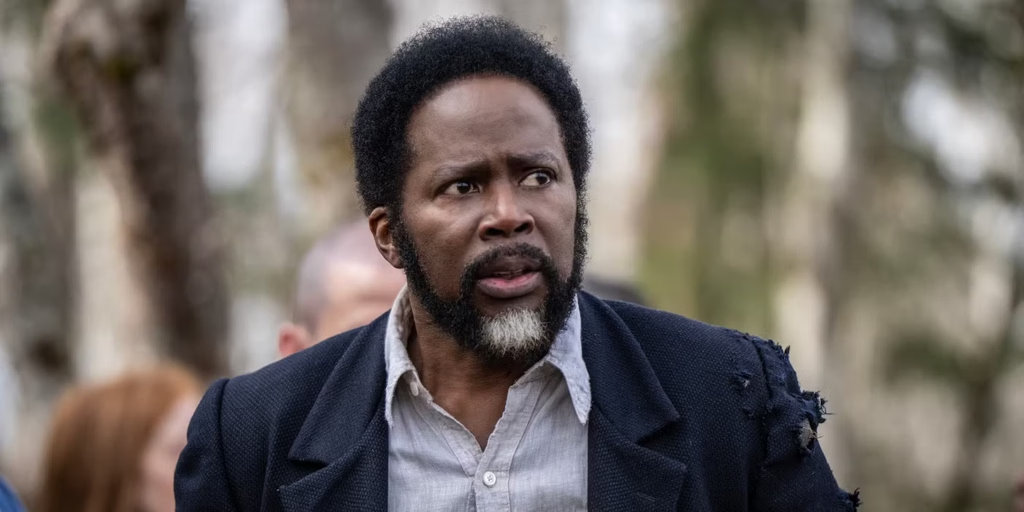
Elgin’s turn to prayer is the detail that makes this ending feel specific to him.
Faith has been bound up with his vulnerability throughout his story. He wants to believe there is purpose behind the horror. That desire is painfully understandable in a place where even ordinary survival requires accepting the impossible.
But a need for meaning can leave someone open to whoever arrives with an explanation.
In the finale, I read his prayer as an attempt to hold on to a moral boundary. Sophia has presented her terms. He turns away from them. The scene allows faith to become a source of resistance after belief helped make him susceptible to manipulation.
There is a sad maturity in that shift. He can remain frightened. He can still need something beyond himself. He can also refuse the offer in front of him.
Nathan D. Simmons’s character has spent so much of the series caught between fear and conviction that this small act feels appropriate. A triumphant speech would have been too comfortable. Prayer leaves him exposed.
And Sophia kills him anyway.
That cruelty matters. The scene offers very little comfort about what happens to people who make the right decision. Elgin receives the opportunity to choose, then loses everything.
Suffering Alone Would Have Proved Very Little
Elgin had already suffered horribly before this encounter. Boyd’s torture and Sara’s attack left him physically devastated.
That history makes him sympathetic. Treating those injuries as repayment for Fatima’s suffering would give the violence a moral tidiness it scarcely deserves.
Pain tells us what happened to him. His refusal tells us something about the person he has become.
This is why I find the choice more persuasive than the death itself. Had Sophia killed him while he was still trying to bargain, the scene would have been another horrible thing happening to a damaged young man. His resistance gives the ending a different emotional weight.
There is also a limit to what we can claim for it. The scene gives us no clear basis for saying Elgin knew exactly how Sophia would punish him. Calling it a carefully calculated sacrifice would go beyond what his actions establish.
He refuses a dangerous entity while trapped in its presence. That is brave enough.
The Ending Leaves Him With One Good Decision

I would still have liked to see Elgin survive long enough to face Fatima.
An apology would have been difficult. Earning trust would have taken longer. Living among people who remember your worst act can demand a kind of courage that a single climactic refusal only begins to reveal.
His death cuts that possibility short. We get the first convincing sign of a different future for him, then lose the future itself.
That makes his redemption real but incomplete. He changes the direction of his own story. The damage behind him remains.
For a character so vulnerable to the promise that everything could be fixed if he simply obeyed, refusing Sophia feels like the right final choice. He finally places a limit on what he will do to get out of this town.
Elgin earns my respect in that moment. I still wish Fatima had been given the chance to decide what he could earn from her.

Rachel Sikkema is a New Zealand-based writer and creative entrepreneur who explores the intersection of film, culture, and modern relationships. Through her articles, she examines how stories shape the way we connect, love and see ourselves – all for God’s glory. When she’s not writing about film and television, she’s watching Dexter and The White Lotus for the third time.