By Rachel Sikkema
Published November 5, 2026

Primetime feels familiar because the entertainment formula behind To Catch a Predator still fills our feeds. Someone gets exposed. A camera catches the moment their confidence collapses. The person conducting the confrontation becomes the hero, and watching feels like taking the right side. Swap the television crew for a phone and the emotional appeal travels remarkably well.
The uncomfortable connection is how easily a worthy purpose can become permission to enjoy someone’s humiliation. Protecting people matters. So does exposing wrongdoing. But once the confrontation becomes the attraction, an audience starts waiting for the breakdown with the same impatience it brings to any other payoff.
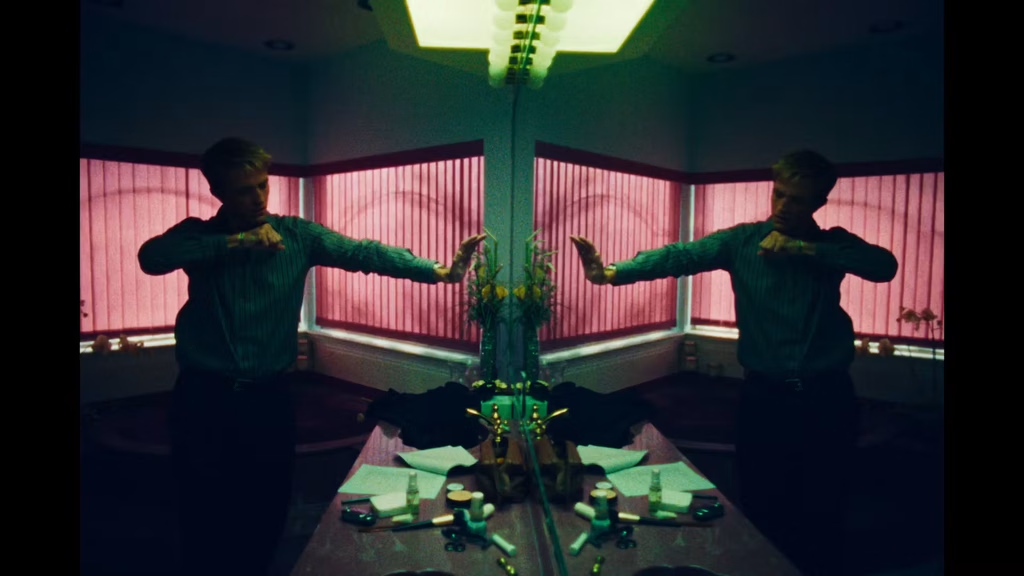
Lance Oppenheim’s film gives that appetite a familiar face through Robert Pattinson’s Chris Hansen. Set in 2006, Primetime follows the television host’s ambition to make broadcasting history through To Catch a Predator. That premise puts the desire for a hit directly beside the promise of public service.
That proximity is where the subject gets interesting. You can believe in the work and become addicted to the attention it brings.
We Already Know When the Good Part Starts
Think about the anticipation built into a televised sting. The audience knows something the person entering the house has yet to discover. Every ordinary gesture becomes loaded. Sitting down takes on suspense. An awkward pause lasts just long enough for viewers to lean forward.
Then the host appears.
The confrontation releases the tension the format has carefully accumulated. We have been waiting for the person on camera to understand what we already know. Their realization becomes the reward.
You can recognize that structure in an online exposure video before anyone finishes explaining the allegation. A caption promises that someone is about to get caught. The camera follows them. Questions become more pointed. Viewers wait for the attempted exit or the excuse that will end up quoted in the comments.
There is something almost embarrassingly efficient about it. A complicated situation gets turned into a scene with an obvious place to put your attention.
Primetime feels close to the present because we remain fluent in that scene. The clothes and television habits belong to another decade. The anticipation is immediately legible.
The Person Holding the Microphone Gets a Career Too
Hansen’s position within this format is especially revealing. He arrives with information and control. The person facing him has to react. That imbalance gives the presenter an authority viewers can absorb before considering how the encounter was arranged.
It also makes him memorable.
The host becomes the stable presence across a series of uncomfortable confrontations. Audiences return for the way he asks a question and the composure he maintains while someone else scrambles. Over time, the delivery itself becomes part of the pleasure.
That is a useful way into Pattinson’s role in Primetime. A television personality has to keep performing credibility while also being watchable enough to hold an audience. Success makes those demands harder to separate. The familiar manner becomes something people expect to receive again.
Online takedowns can create a similar attachment. Viewers start by caring about an allegation and end up following the person who exposed it. Soon they are waiting for that creator’s next investigation, next confrontation, next devastating response.
A reputation for catching people becomes a demand to keep catching people.
I find that pressure more troubling than a simple story about a cynical presenter. Someone can begin with conviction and gradually organize their work around the moments that get the biggest reaction. They may even experience their growing popularity as proof that every decision was justified.
Outrage Gives Pleasure a Respectable Explanation
There is an easy answer when someone asks why people watch this material. The behavior being exposed deserves attention.
Often it does. Allegations involving the exploitation of children carry an obvious urgency. That seriousness also makes the surrounding entertainment choices harder to question. Raising concerns about the spectacle can sound, to an angry audience, like misplaced concern for its target.
Yet the way a story is presented still matters.
An investigation can establish what happened. A confrontation can produce a memorable expression. Those outcomes sometimes overlap, but an expression alone tells us very little about what happens afterward.
The face is easier to circulate.
That is the peculiar bargain offered by humiliation content. We get the satisfaction of watching someone lose control while understanding our interest as moral concern. The cause supplies a respectable explanation for staying until the end.
And sometimes that explanation is perfectly sincere. People can care about harm while enjoying a cruel joke at the accused person’s expense. The motives sit together awkwardly.
Primetime becomes more interesting when approached through that awkwardness. The audience has a stake in the spectacle continuing, even while wanting to think of itself as an observer of necessary work.
The Clip Ends Before the Difficult Questions Do
A viral confrontation has a natural ending. Someone walks away or gets escorted out. The creator turns toward the camera. There is a final line worth sharing.
The underlying situation may carry on for months.
Evidence still needs scrutiny. People affected by the alleged conduct may need support. A public accusation may require correction or further reporting. None of that offers the immediate satisfaction of the moment someone realizes they are being filmed.
This gap matters because exposure can feel complete long before anything has been resolved. We have watched an apparent consequence happen, so the story acquires the emotional shape of justice.
The resemblance between televised stings and online takedowns lives in that feeling. Both can make a visible confrontation stand in for a much longer process. A strong ending is useful to the person making the video. It gives viewers somewhere to leave satisfied.
Meanwhile, the person who brought everyone to the screen is already under pressure to produce another reason to return.
Familiarity Is the Uncomfortable Part

The sharpest way to read Primetime is to notice how little explanation its central attraction needs. We understand why a broadcaster would want the footage. We understand why a presenter would want to own the moment. We understand why an audience would keep watching.
Most of us have paused over some version of it ourselves.
That recognition gives the film’s subject its sting. It is easy to look back at sensational television and feel superior to its blunt methods. Then a clip appears in our feed promising that someone is about to be exposed, and we wait for the camera to catch their face.
There are good reasons to investigate wrongdoing. There are also rewards for making the investigation entertaining, and those rewards can start steering the work.
Primetime feels familiar because we know exactly which moment the thumbnail would use. We might even click it.

Rachel Sikkema is a New Zealand-based writer and creative entrepreneur who explores the intersection of film, culture, and modern relationships. Through her articles, she examines how stories shape the way we connect, love and see ourselves – all for God’s glory. When she’s not writing about film and television, she’s watching Dexter and The White Lotus for the third time.