By Rachel Sikkema
Published October 6, 2026
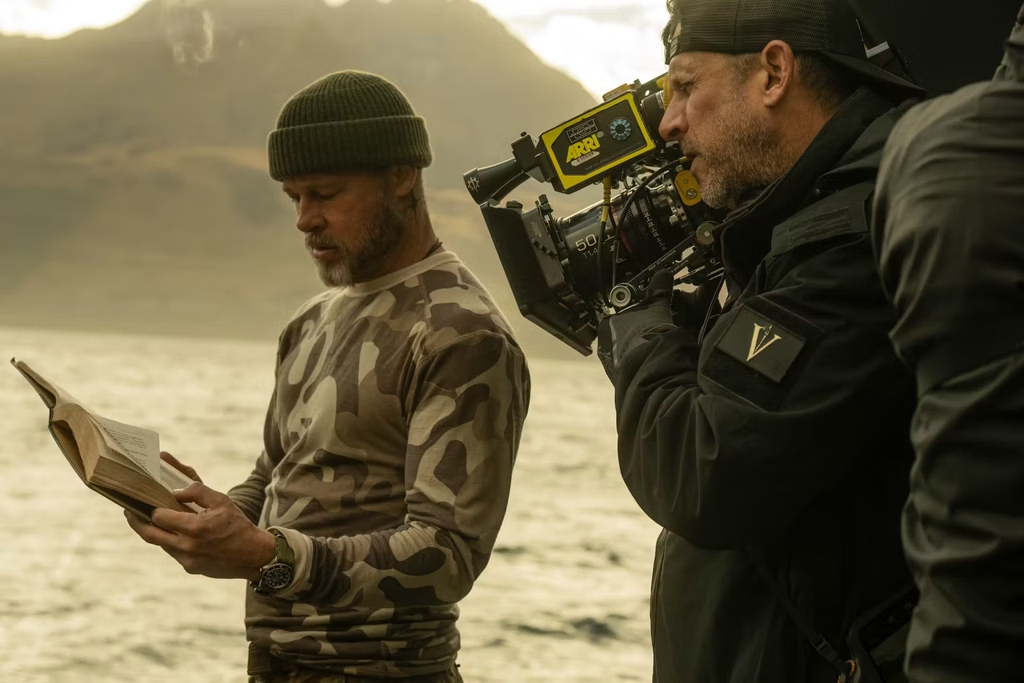
James Belmont keeps going in Heart of the Beast because Odin still needs him. After their plane crashes in the Alaskan wilderness, getting his dog to safety gives every painful effort a purpose. Brad Pitt’s retired Special Forces soldier can be exhausted and frightened while still having something immediate to do. Odin needs care. James knows how to give it.
That is the emotional pull of David Ayer’s survival drama. When the distance ahead becomes overwhelming, responsibility brings James back to the next manageable task. He has someone beside him whose welfare depends partly on what he does now.
The deeper feeling comes from how familiar that arrangement already seems. Long before the crash, caring for Odin gives James’s days a shape. Their ordeal makes that dependence urgent, but the relationship has been keeping him connected to life for some time.
Odin Gives Tomorrow Something Specific in It
There is a particular comfort in having another creature to look after. Tomorrow arrives with something already on the schedule. Food has to be found. Someone needs checking on. You have a reason to get up even when your enthusiasm for the day is running low.
Heart of the Beast gives that ordinary experience an extreme setting. James has military training and practical knowledge, yet those abilities still need somewhere to go. Odin gives them a purpose James can feel.
The dog also brings continuity. They have served together and carry the consequences of that history into retirement. James understands the animal beside him through years of shared experience. Looking after Odin is familiar work in a world that has otherwise become difficult to inhabit.
That familiarity matters more to me than the sheer scale of the landscape. Mountains can make a person look small. A dog expecting something from him can make that same person feel necessary.
And Odin has very little interest in whether James can explain himself eloquently. Their relationship runs on attention and repeated acts of care. James can be useful before he has found the words for how he feels.
The Quiet Camping Scenes Earn the Struggle
The early time James and Odin spend outdoors gives us a glimpse of what their companionship feels like when survival leaves them some room to enjoy themselves.
There is play. There is fishing. James has the ease of someone spending time with a companion whose company requires very little effort. Pitt’s warmth in those moments helps establish what this dog brings out in him.
That makes the later hardship more personal. We have seen a version of their life worth wanting back. A safe campsite and another unhurried day together become perfectly adequate ambitions.
I like that modest scale. Survival films can become so occupied with endurance that they lose track of what their characters might enjoy if they actually get home. Here, the answer is already padding around beside James.
The affectionate nickname Odie helps too. It belongs to their private life together. The formidable combat dog has become the creature James talks to while going about his day.
Those details give the relationship a texture beyond duty. James enjoys Odin. Caring for him preserves a source of pleasure as well as fulfilling a responsibility.
Looking After Odin Keeps James Engaged
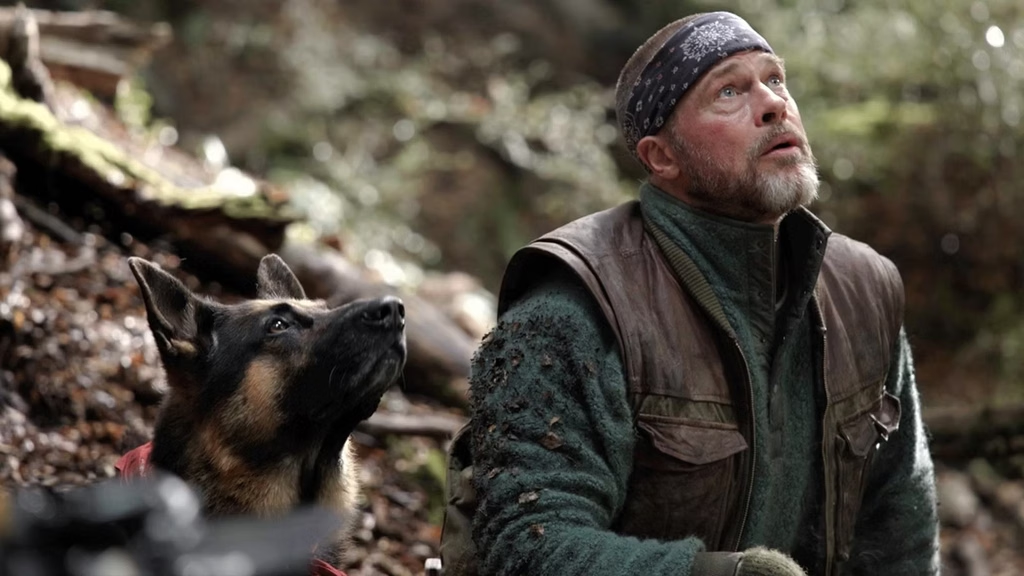
Once the journey becomes punishing, attention itself starts to matter. James has to keep noticing the ground ahead and the condition of his companion. Concern repeatedly draws him back into the world around him.
Odin’s prosthetic leg makes that concern tangible. The dog has already adapted to an injury before this new ordeal begins. James has to account for those physical needs alongside his own increasingly battered body.
That is where the title’s idea becomes most convincing. Being needed creates a reason to stay involved in the next few minutes. The full journey may seem impossible. A particular problem can still be approached.
There is emotional truth in that smaller measure of time. People often imagine perseverance as a grand decision made once and honoured without interruption. James’s struggle makes more sense as a series of renewed efforts, each attached to something he cares about.
His skills help him act on that concern. Practical competence becomes a way of expressing affection. Working out how to continue is part of looking after Odin.
The film gives us plenty of bodily punishment, sometimes enough to test patience. The relationship keeps those injuries from becoming a simple tally. Every setback threatens James’s ability to do something that matters deeply to him.
Pitt Makes Tenderness Feel Like an Old Habit
James carries the familiar appearance of a man accustomed to handling difficult things himself. His military background and reserve make self-reliance seem almost automatic.
With Odin, another part of him becomes visible.
Pitt gives the bond its credibility through attention. James responds to the dog as a companion he knows well. There is room for affection in his manner even when speaking to other people appears to require considerably more effort.
That distinction feels recognisable. Some people find tenderness easier when they can express it through looking after an animal. The feelings have somewhere to go without requiring a lengthy conversation first.
Ayer has an obvious appetite for tough men under pressure. Here, the care built into James’s daily behaviour gives that toughness a more interesting use. His determination serves a relationship.
I find James most affecting when his concern for Odin feels habitual. The affection seems to have existed before the camera arrived. We are seeing what happens when circumstances demand more from a bond that was already there.
The Need Travels Both Ways
Odin’s dependence could easily make James seem like the sole source of strength in the relationship. Their shared history complicates that reading.
Both carry the effects of combat. Both experience disturbed sleep. James has knowledge Odin needs, while Odin offers a familiar presence that reaches James with very little fuss.
There is something tender about a man travelling so far from other people with one deeply important attachment beside him. Solitude has limits here. James has brought company, affection and responsibility into the wilderness with him.
Odin’s presence also means James gets to receive something. He is watched and trusted. His arrival matters to another living creature. For someone whose identity has been shaped by service, that daily recognition has weight.
The companionship makes the responsibility bearable. James has someone to care for and someone whose company he wants. That combination gives the film more feeling than a simple celebration of sacrifice would.
Being needed can be exhausting. Heart of the Beast allows us to see the effort involved, even as it shows why James keeps making it.
A Reason Can Be Small Enough to Reach

The film’s most persuasive idea is that a reason to continue can fit inside the immediate situation. James has a dog beside him. There are things he can still do for that dog. For another stretch of the journey, that is enough to organise his effort.
This gives the survival story a recognisable human scale beneath its wilderness extremes. A creature waiting for dinner can pull someone into the evening. A familiar routine can carry them into morning. Affection often works through tasks that seem small until doing them becomes difficult.
James and Odin give those tasks emotional weight because we understand what exists between them. Getting through another day means the possibility of more time together.
The image worth holding onto is the quieter life their struggle makes us want for them. Somewhere dry to settle down. Odin close enough for James to reach him. A morning whose first demand is simply to get up and look after the dog.

Rachel Sikkema is a New Zealand-based writer and creative entrepreneur who explores the intersection of film, culture, and modern relationships. Through her articles, she examines how stories shape the way we connect, love and see ourselves – all for God’s glory. When she’s not writing about film and television, she’s watching Dexter and The White Lotus for the third time.