By Rachel Sikkema
Published November 17, 2026

Netflix’s Russell Brand documentary is called Open Secret because the title points to concerns and allegations about his behaviour circulating for years before they became a major public investigation. It captures the uncomfortable gap between people hearing stories about a powerful celebrity and those stories receiving serious scrutiny. Director Olivia Isaacs has described the film’s purpose as examining why the allegations took so long to emerge and what bringing them into public view required.
The title also invites a harder question. How does a reputation for outrageous behaviour become so familiar that people stop examining what sits underneath it?
That is where these two words carry their weight. An “open secret” can circulate through private conversations while the person at its centre continues to receive public approval. Someone hears a warning. Someone else repeats a rumour. Each conversation can feel like an acknowledgement while leaving the situation untouched.
The Title Points Towards the People Around Brand
The most useful reading of Open Secret places Brand within the world that helped make him famous. His celebrity depended partly on the promise that he would say something excessive or behave unpredictably. Outrage was a recognisable part of the act.
That creates a troubling problem of interpretation. Once an audience expects someone to cross boundaries, another uncomfortable moment can be absorbed into the performance. The question becomes whether he has been entertaining enough. The person on the receiving end can disappear from that calculation.
There is a difference between recognising a performer’s provocative image and knowing about a specific offence. The title needs that distinction. Different people may have heard different things at different times. A rumour carries a different evidential weight from a firsthand account or a finding in court.
Read carefully, Open Secret asks what happened when concerns reached people who had the power to respond. That is a more demanding question than the loose claim that “everybody knew”. It asks who knew what, how seriously they took it and what they did next.
The phrase becomes especially uncomfortable when knowledge functions as social currency. Being the person who has heard something can confer insider status. Acting on it requires considerably more.
Brand’s Public Image Gave People an Easy Explanation
The documentary’s use of archive footage matters to this interpretation. Isaacs has specifically highlighted material showing audiences laughing along, alongside testimony describing coercive control and emotional abuse. The juxtaposition encourages viewers to reconsider the cultural permission surrounding Brand’s persona.
Laughter is an important detail. It tells everyone in a room how a moment is being received. Once the room accepts something as a joke, objecting can make someone feel as though they have misunderstood the occasion.
That dynamic deserves attention without turning every old television appearance into retrospective proof of a crime. An archive clip can show what a programme presented as acceptable entertainment. Establishing a particular assault requires its own evidence.
The sharper insight is about the language of celebrity. Words such as “wild” and “outrageous” are wonderfully convenient when a performer’s excesses help sell the show. They are also vague enough to flatten very different kinds of behaviour into one marketable personality.
A celebrity can become so associated with that personality that people reach for it automatically. Another story arrives and the familiar explanation is already waiting. That is just what he is like.
Those seven words can close a conversation remarkably quickly.
A Circulating Story Still Needs Someone to Investigate It

The film includes the journalists Rosamund Urwin and Charlotte Wace, whose investigation forms part of its account. Their presence gives the title a practical dimension. Someone has to turn privately circulating information into reporting that can withstand scrutiny.
The distance between hearing a story and publishing it can be enormous. Journalists need to establish what happened and seek corroboration. People sharing painful experiences must decide whether they are willing to face the consequences of becoming identifiable.
An audience encountering a finished investigation sees the point at which enough material has been assembled to publish. The years before that can look deceptively empty.
This is why the word “secret” deserves care. Silence in public can coexist with attempts to speak privately. A person may tell someone and receive an inadequate response. They may fear the exposure that comes with challenging a famous figure. Their experience can remain outside public discussion even after they have tried to describe it.
Blaming that person for the delay would put the burden in the wrong place. The more revealing question concerns the conditions under which speaking becomes possible and being heard becomes likely.
The Court Outcome and the Documentary Have Different Scopes
Brand was sentenced to ten and a half years in prison in November 2026 following convictions for rape and sexual assault. The sentencing remarks explicitly distinguish the offences established at trial from documentary allegations and charges on which he was acquitted. That distinction should remain clear when discussing the film.
A conviction establishes the outcome of particular charges. Other accounts retain their own evidential status. Placing them within the same documentary requires viewers to keep track of those boundaries.
The title operates at a broader social level. It asks how damaging behaviour can remain insufficiently challenged while a person enjoys professional success. A verdict can settle a criminal charge while leaving questions about workplaces and surrounding attitudes open to examination.
There is a temptation with celebrity documentaries to treat the downfall as the satisfying final chapter. The famous person loses status and the story appears complete.
Open Secret is a more uneasy title than that ending allows.
The Uncomfortable Word Is Open
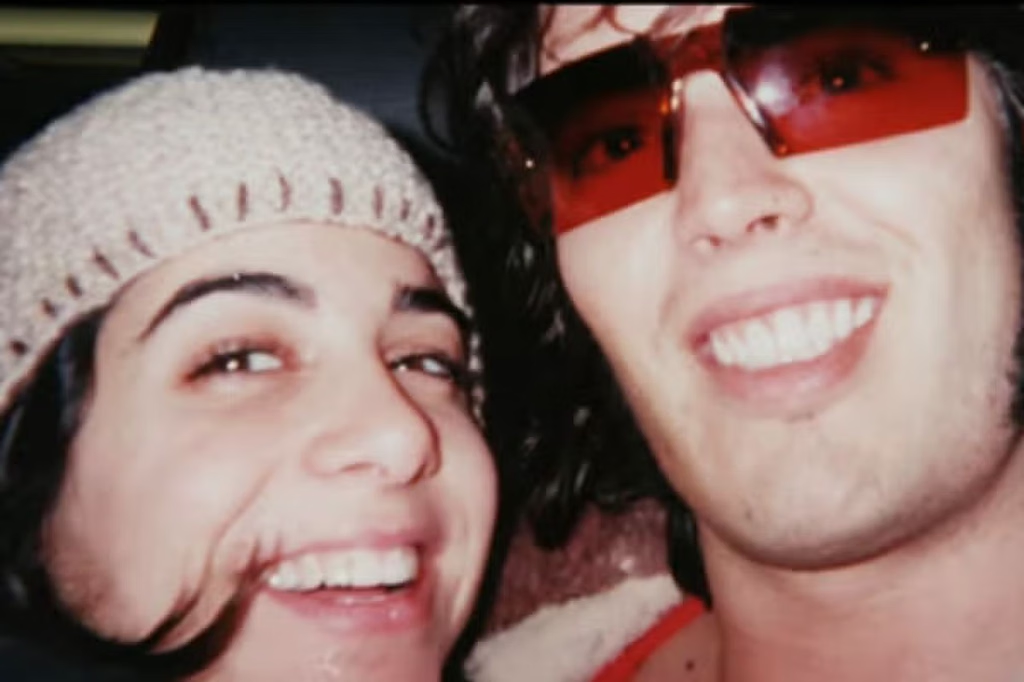
“Secret” suggests something concealed. “Open” introduces the possibility that parts of the story were already within reach of people who could have paid closer attention.
For me, that is the title’s strongest implication. It directs attention towards the everyday responses that allow concerns to remain manageable for everyone except the person affected. A laugh can end an awkward exchange. A reputation can supply an excuse. A warning can travel privately without producing a public reckoning.
The phrase also gives viewers something more useful to consider than whether they personally liked Brand. Enjoying a performance tells us very little about the performer’s conduct away from the stage. Familiarity with a face can nevertheless feel like knowledge of a person.
Open Secret presses on that misplaced confidence. Its title asks how warning signs and private accounts could exist alongside a thriving public career, and why the people carrying those accounts had to work so hard to be heard.

Rachel Sikkema is a New Zealand-based writer and creative entrepreneur who explores the intersection of film, culture, and modern relationships. Through her articles, she examines how stories shape the way we connect, love and see ourselves – all for God’s glory. When she’s not writing about film and television, she’s watching Dexter and The White Lotus for the third time.