By Rachel Sikkema
Published October 7, 2026

The Alaskan wilderness in Heart of the Beast makes care matter more because James Belmont and his dog Odin have so little strength to spare. After their plane crashes, keeping each other alive takes effort that their battered bodies can barely afford. A moment spent attending to pain becomes a decision about how they will survive together. The setting gives tenderness a physical cost.
That is the most interesting thing about putting these two characters in such a punishing place. James, played by Brad Pitt, has military experience. Odin is his former combat partner. They arrive with skills that should give them a fighting chance, but they also bring bodies that have already endured enough.
David Ayer’s film places that history against a landscape too vast to accommodate it. Alaska carries on being Alaska. James still has a dog to look after.
There is something wonderfully plain about that obligation.
The Distance Makes Ordinary Kindness Feel Enormous
A survival story changes the value of everyday actions. At home, tending to a dog’s discomfort might take a few minutes before dinner. Out in the wilderness, those minutes belong to a shrinking supply of daylight and usable energy.
That shift is where Heart of the Beast finds its emotional weight. James has to remain attentive to another living creature while his own body is demanding attention. Concern becomes work. He has to keep making room for it.
I find that much more involving than the familiar pleasure of watching a capable man solve a difficult problem. Competence can be satisfying, especially when a survival film lets us understand the practical task. But competence has a fairly predictable appeal. We expect the trained man to know what to do.
Caring for Odin complicates that expectation. Knowing how to survive leaves James with another question. What does getting through this require of the companion beside him?
The wilderness makes that question unavoidable. Every stretch of difficult ground is ground they both have to cross. James has to think beyond the limits of his own body, even as those limits become harder to ignore.
Odin’s Injured Leg Brings the Landscape Down to Earth
One particularly revealing detail is James removing Odin’s prosthetic leg and massaging the remaining limb. It is a small piece of physical care with a whole relationship inside it. James knows this body. He knows where it needs gentleness.
Odin’s missing leg also changes how we understand the terrain. A remote landscape can look magnificent from a distance. Put an injured animal inside it and the eye starts measuring the ground differently.
How much farther can he manage? Where can he rest?
That is the useful friction between the scenery and the relationship. The landscape invites admiration while Odin’s body asks us to consider the effort of moving through it. A view becomes a route somebody has to endure.
The attention James gives him feels intimate because it is so practical. Affection has settled into familiarity with discomfort. Anyone who has cared for an ageing or injured pet will recognise that particular closeness. You become fluent in small changes. You notice how they stand.
A film can earn a great deal of feeling by taking that knowledge seriously.
James Has to Spend Strength on Gentleness

Brad Pitt’s presence brings an expectation of resourcefulness. Give him a hostile environment and it is easy to imagine the audience waiting for him to get to work. James’s Special Forces background strengthens that expectation before the wilderness has done much damage.
Then his health becomes part of the danger.
The heart attack that causes the crash places a frightening limit on his experience. He can understand a problem and still lack the physical capacity to handle it safely. Later injuries narrow his options further. His body keeps interrupting whatever plan he might make.
That makes his responsibility for Odin more affecting. Looking after someone while you feel strong has its own satisfactions. Doing it while frightened and hurting is a messier business. Patience can become difficult. Even a minor need can feel overwhelming when every movement hurts.
This is where the film’s central relationship gives its survival premise something worth thinking about. James has reasons to conserve every scrap of energy. He also has a companion whose needs remain real regardless of his exhaustion.
Gentleness becomes something he has to sustain under pressure.
I like the stubbornness of that. We are used to survival heroes proving how much punishment they can absorb. There is another kind of endurance in continuing to notice someone else’s pain while your own becomes unbearable.
The Wilderness Gives Them Nowhere to Hand Over the Worry
Isolation has a peculiar effect on responsibility. In ordinary life, care often passes between people. Someone brings supplies. Someone takes over for an hour. Even knowing that help is nearby can make a frightening situation easier to bear.
James and Odin have very little of that reassurance.
Their separation from other people concentrates the emotional pressure between them. The person or animal beside you becomes the one available witness to what is happening. Exhaustion has to be understood through proximity. Fear has to be met with whatever comfort the other can offer.
For James, caring for Odin also provides something immediate to do. A vast wilderness is difficult to comprehend when you are injured and stranded. Another creature’s discomfort is closer. It asks for a response now.
That is my reading of the bond’s deeper importance. Responsibility can make an impossible situation feel briefly manageable. You may have no clear answer to the distance ahead. You can still attend to the life beside you.
The film’s premise gives that idea considerable force. James has somebody to keep thinking about when thinking about his own prospects might become too much.
Odin gives the journey a personal urgency that a distant point on a map could never supply.
Getting Them Both Through Is the Part That Matters
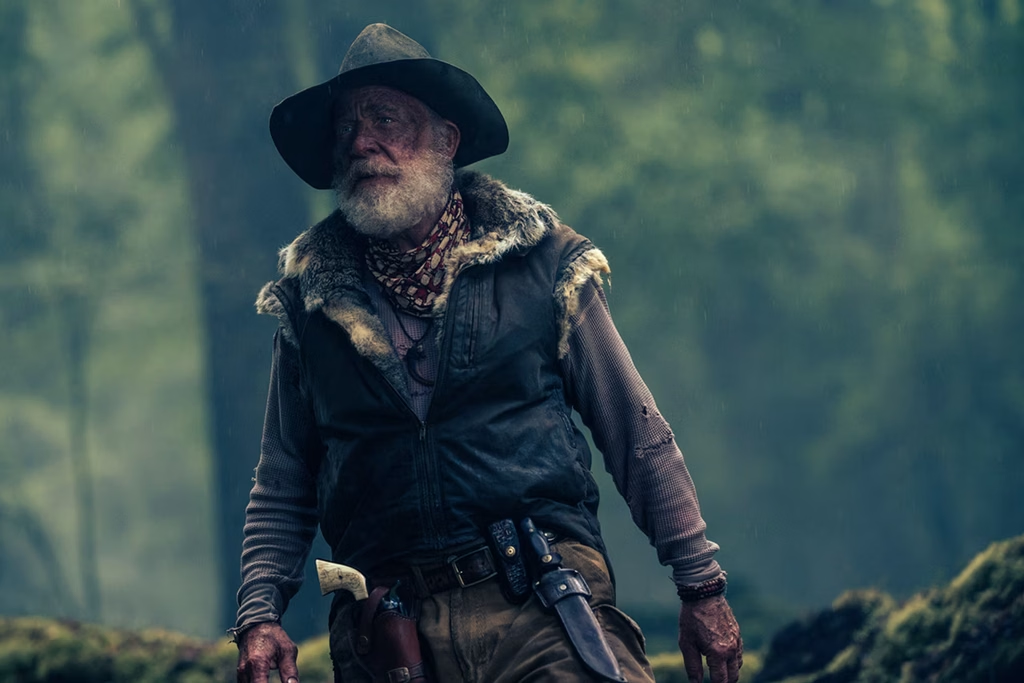
There is an appealing harshness to the Alaskan setting because it puts pressure on affection without offering any reassurance in return. Loving a companion leaves you vulnerable to their suffering. James has to carry that worry along with everything happening to his own body.
The care matters precisely because it costs him something.
For me, that is the strongest way to understand the wilderness in Heart of the Beast. Its scale makes the pair’s dependence on each other feel painfully exposed. Against all that open country, the small business of tending to a damaged limb becomes something we can grasp.
A person stops. An animal receives a little relief. For a moment, somebody’s pain has been noticed and answered.
The mountains can have their grandeur. I am more interested in the effort James makes when he is already exhausted, because that effort tells us what he is trying to bring home. Odin needs to survive this journey with someone who still recognises when he hurts.
Out there, even that small mercy takes strength.

Rachel Sikkema is a New Zealand-based writer and creative entrepreneur who explores the intersection of film, culture, and modern relationships. Through her articles, she examines how stories shape the way we connect, love and see ourselves – all for God’s glory. When she’s not writing about film and television, she’s watching Dexter and The White Lotus for the third time.