By Rachel Sikkema
Published November 26, 2026

Doug MacRay really does fall in love with Claire Keesey in The Town. He also falls in love with the life he imagines having beside her. Those feelings grow together so tightly that even Doug would probably struggle to separate them. Claire gives him someone to care about and a reason to picture a future beyond the next robbery.
The uncomfortable part is how their relationship begins. Doug helps rob her bank and belongs to the crew that takes her hostage. Then he approaches her while checking whether she can identify them. She meets a man who seems to understand her fear. He already knows exactly where that fear came from.
Ben Affleck’s film lets the romance feel tender while leaving that knowledge sitting between them. You can want Doug to escape Charlestown and still think Claire deserves to run a mile from him. I spend quite a bit of the film doing both.
Claire Gets to Meet the Doug He Wants to Become
Around Jem, Doug carries himself like a man who has spent years anticipating the next problem. There is affection between them, but it comes with an exhausting sense of obligation. Jem treats their shared history as a permanent claim on Doug’s future.
Claire offers him a different experience. She has no childhood stories about him and no expectations built around his usefulness to a robbery crew. He can talk to her without immediately defending his place in the neighborhood.
Affleck’s performance becomes quieter in those scenes. Doug listens. His guarded manner starts to resemble shyness. The man who can help control a bank robbery suddenly looks uncertain about an ordinary conversation.
Rebecca Hall makes that change believable because Claire has a watchfulness of her own. Her vulnerability follows a specific violation. She is trying to feel comfortable in her daily life again, and Doug makes himself part of that recovery.
That is where the romance gets especially troubling. He enjoys being the person she feels safe with. Every moment of trust rewards him for keeping the truth from her.
Still, the tenderness feels real. Doug seems moved by the small possibility of being known differently. With Claire, he gets to try out a version of himself whose day might contain something as ordinary as making plans and keeping them.
His First Lie Stays Inside Every Honest Moment

Doug’s initial interest in Claire comes from the robbery. Jem worries about what she might know, and Doug takes responsibility for finding out. The encounter gives him access to a woman who has already been harmed by his crew.
As his feelings deepen, he keeps information that would radically change her understanding of him. Claire can decide whether she likes the man in front of her. Her ability to judge the relationship depends on facts Doug has chosen to conceal.
The tattoo conversation makes that imbalance painfully clear. Claire tells him she noticed something that could identify one of the robbers. Doug understands the danger immediately because the detail points toward Jem.
For her, sharing that memory is an act of confidence. For him, it is also information about a threat to the crew.
That double meaning follows their relationship everywhere. Doug can be sincerely concerned about her and still use what she tells him to protect himself. His feelings have become genuine while his position remains deeply dishonest.
There is something particularly selfish about allowing a traumatized person to explain her experience to someone secretly involved in causing it. Claire does the difficult work of opening up. Doug gets to decide how much reality the conversation can bear.
The film gives us access to his regret and longing. Claire has to live with the consequences of what he withholds.
She Becomes an Exit Before They Have Built a Life
Doug has good reasons to want out of Charlestown long before Claire enters the picture. His father is in prison. His own future looks horribly familiar. Jem’s loyalty can turn threatening whenever Doug imagines a life beyond their shared routines.
Claire gives that desire an address.
Leaving becomes easier to imagine when there is someone he wants to leave with. His attraction to her includes the possibility of a fresh start where his past carries less weight. He could become a partner instead of remaining the man everyone calls when they need a job done.
But he invests a great deal in that possibility very quickly. The relationship has barely had room to exist under ordinary conditions. Doug is already asking it to support a complete reinvention.
What would they actually be like together somewhere else? Could Claire feel secure once the immediate excitement and danger had passed? How would Doug handle a life without the competence and status he has inside the crew?
The film leaves those questions open. Doug is operating on urgency. He knows what he wants to escape much more clearly than he knows how to build a life afterward.
That makes his love impulsive and burdened with expectation. Claire becomes responsible for a future she has barely had the chance to consider.
Jem Hears Abandonment Whenever Doug Talks About Leaving
Jeremy Renner gives Jem a bruised possessiveness that helps explain why Doug finds the relationship with Claire so powerful. Jem has paid heavily for their bond and expects Doug to honor that debt by staying.
His affection has teeth.
Doug’s growing attachment to Claire threatens an arrangement Jem regards as permanent. From Jem’s perspective, this woman has arrived and begun pulling Doug away from people who have known him all his life.
For Doug, that reaction exposes how little freedom their loyalty allows. He can care about Jem and still recognize the danger of spending the rest of his life answering to him.
Claire also exists outside the history Doug shares with Krista, played by Blake Lively. Krista knows the world he comes from. Their connection carries old habits and hurt. Claire meets him without all that accumulated damage.
There is an obvious appeal in being seen by someone who has never watched you fail. Doug gets a cleaner introduction than he has earned.
His hope is understandable. The cost falls on Claire when she discovers how much of that introduction was arranged for her.
The Ending Gives His Feelings Some Weight
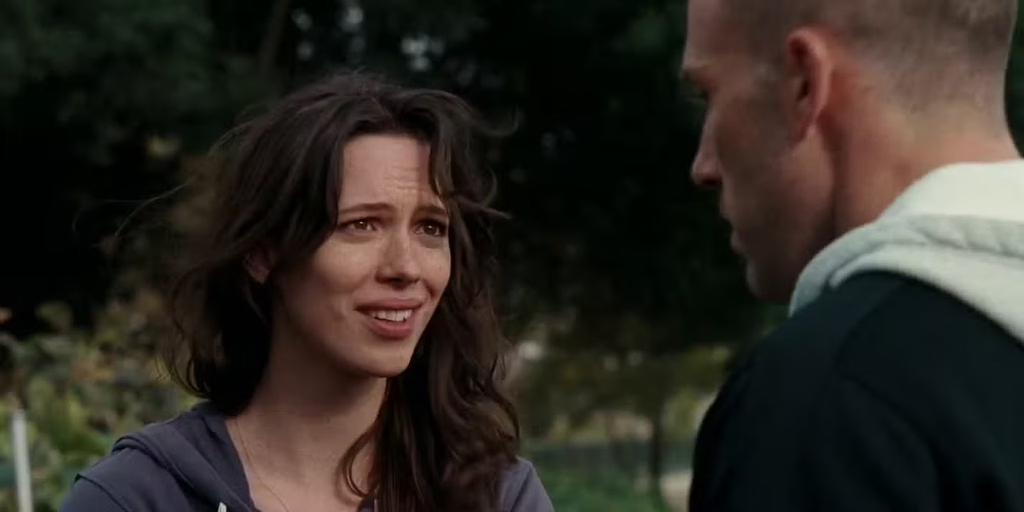
Claire’s discovery changes the terms of the romance. Her anger gives the betrayal its proper size. The man she trusted belongs to the nightmare she has been trying to process.
Hall makes that hurt matter. Doug’s wish to become better offers Claire very little comfort in the moment when she learns who he is.
Yet her later warning allows him to avoid the authorities waiting for him. Their connection survives in that limited act. She can still care whether he gets caught after learning enough to reject the life he has proposed.
Doug eventually leaves alone. That matters because his escape proceeds without the future he had pictured with her. He loses the version of the story in which getting away also means getting Claire.
The money he leaves behind, which she directs toward restoring the ice rink, gives his final gesture a practical consequence. It also fits his desire to leave her something useful after causing so much damage. Money has obvious limits as an apology.
The closing separation suits the relationship. Doug gets the chance to live differently. Claire keeps the right to decide what happens to her own life.
Yes, Doug loves her. His willingness to leave without taking her with him gives that love more credibility than his plans ever did. For much of the film, he wants Claire to make escape feel possible. By the end, he has to carry that possibility himself.

Rachel Sikkema is a New Zealand-based writer and creative entrepreneur who explores the intersection of film, culture, and modern relationships. Through her articles, she examines how stories shape the way we connect, love and see ourselves – all for God’s glory. When she’s not writing about film and television, she’s watching Dexter and The White Lotus for the third time.