By Rachel Sikkema
Published October 30, 2026

The Trask brothers introduced at the beginning of East of Eden are Adam and Charles Trask, the sons of Cyrus Trask. They are half-brothers who share a father and have different mothers. In Netflix’s adaptation, Christopher Abbott plays the adult Adam and Mike Faist plays Charles.
There is also a second generation of Trask brothers. Caleb, usually called Cal, and Aron are the twin sons raised by Adam after his marriage to Cathy Ames. Joseph Zada plays Cal and Joe Anders plays Aron. That distinction matters because East of Eden follows both pairs, with the younger brothers growing up inside problems their father has already lived through.
Adam connects the two generations. First he is the son whose father favors him. Later he becomes a father whose own affections help divide his children. Watching him occupy both positions is where this family story starts to hurt.
Adam and Charles Grow Up Wanting Different Things
Adam is the older brother, a sensitive boy who grows into a man hungry for somewhere peaceful to belong. Charles is more physically forceful and fiercely attached to the family home. His anger can become frightening, especially when he feels that Adam has received affection he has worked harder to earn.
Their father helps make that rivalry poisonous.
Cyrus places particular importance on Adam and pushes him toward military life. Charles remains tied to the farm. For Charles, the arrangement carries a brutal implication. His father sees something special in Adam while taking the son closer to home for granted.
From Charles’s perspective, this is maddening. He cares intensely about Cyrus’s approval. Adam has much more complicated feelings about their father, yet somehow receives the attention Charles craves.
There is an ugly familiarity to that situation. One sibling spends years trying to become indispensable. The other seems to matter simply by entering the room.
Charles directs his resentment toward Adam because Adam is within reach. Their father’s favoritism becomes a fight between the children who have to live with it.
Adam’s Gentleness Has a Blind Spot

Adam is easier to sympathize with at first. Charles’s aggression makes Adam’s longing for tenderness feel especially understandable. After that childhood, of course he wants a home where he can breathe.
The difficulty is that Adam can fall in love with his own idea of someone.
Cathy Ames becomes the center of his imagined future. He sees the possibility of marriage and a fresh beginning. His hope is so strong that her actual wishes struggle to get through to him. When she resists the life he plans in California, he continues building it around her.
That is the troubling part of Adam. He can mean well and still leave another person feeling unheard. His dream has room for a wife, but the woman occupying that role has desires of her own.
Read this way, Adam’s idealism becomes one of his most consequential flaws. He wants goodness to be recognizable. He wants the people he loves to fit the places he has prepared for them.
A reader can feel for him and still want to shake him a little. Paying attention would save this family considerable misery.
Charles Understands More Than Adam Wants to See
Charles responds to Cathy with suspicion. He recognizes something in her that Adam’s romantic certainty prevents him from considering.
That gives Charles an uncomfortable kind of credibility. A violent and jealous man can still judge a situation accurately. Being right about Cathy also gives him another reason to resent the brother who dismisses his concerns.
His connection with her complicates the family further. Cathy marries Adam and sleeps with Charles, introducing uncertainty around the twins’ biological paternity. Adam raises Cal and Aron as his sons, while Charles remains their uncle within the family’s understood relationships.
The uncertainty makes the family tree messier, though the more interesting question is what these men pass down through their behavior.
Charles’s jealousy has already shaped Adam’s life. Adam carries that experience into fatherhood whether he understands it or not. A child can inherit a family’s habits through years of watching faces across a dinner table.
Charles also loves Adam. That affection makes their relationship harder to dismiss as simple hatred. He can want his brother home and resent him once he gets there. Anyone who has returned to a difficult family house will recognize how quickly an old role can settle back onto someone.
Cal and Aron Inherit the Struggle for Approval
With Cal and Aron, the story returns to the pain of feeling that a parent finds your brother easier to love.
Aron becomes associated with innocence and an appealing moral certainty. Cal is more restless and more conscious of the impulses that embarrass him. He can recognize his own jealousy while still giving in to it.
That self-awareness makes Cal particularly affecting. He worries about what his feelings reveal about him. Every ugly thought threatens to become evidence that something inside him is permanently wrong.
Aron benefits from being idealized, although that position brings its own pressure. When a family invests heavily in someone’s purity, ordinary human contradictions become difficult to admit. There is very little room to be confused or compromised.
Adam’s affection for Aron leaves Cal struggling to reach him. Cal wants his father to recognize love in the form he is capable of offering. A failed attempt to earn that recognition can feel like a judgment on his entire person.
This is where the two generations fit together most painfully. Adam once suffered inside a household distorted by favoritism. Fatherhood gives him the power to reproduce that hurt.
Experience, apparently, comes with no guarantee of insight.
Why the Brothers Echo Cain and Abel
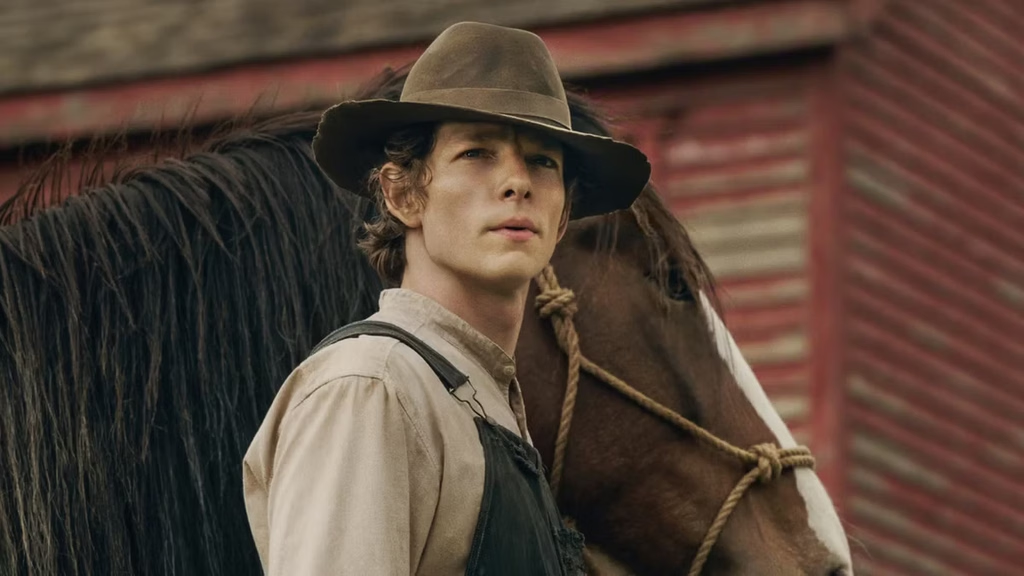
Both pairs of Trask brothers draw on the biblical story of Cain and Abel. The recurring pattern involves an offering, a sense of rejection and anger directed toward the brother who seems preferred.
The initials help underline the connection. Charles and Cal occupy the more openly jealous positions. Adam and Aron receive the affection their brothers desperately want.
But assigning each man a moral label makes the story smaller. Adam’s gentleness can coexist with damaging blindness. Cal’s capacity for cruelty exists alongside his desire to become better. Charles can be perceptive and dangerous in the same relationship.
For me, the sharpest question in East of Eden is how long someone can feel cast as the difficult child before beginning to perform the part.
Lee offers a way to question that apparent inevitability. His interpretation of “timshel” gives the characters permission to think of themselves as capable of choosing differently. Within the story, that possibility matters especially to Cal, who fears that his family history has already decided his character.
Adam and Charles establish the wound. Cal and Aron show what happens when it remains inside the household for another generation. By then, recognizing who the Trask brothers are means recognizing the small boy still waiting inside each of them for a father to look pleased.

Rachel Sikkema is a New Zealand-based writer and creative entrepreneur who explores the intersection of film, culture, and modern relationships. Through her articles, she examines how stories shape the way we connect, love and see ourselves – all for God’s glory. When she’s not writing about film and television, she’s watching Dexter and The White Lotus for the third time.