-
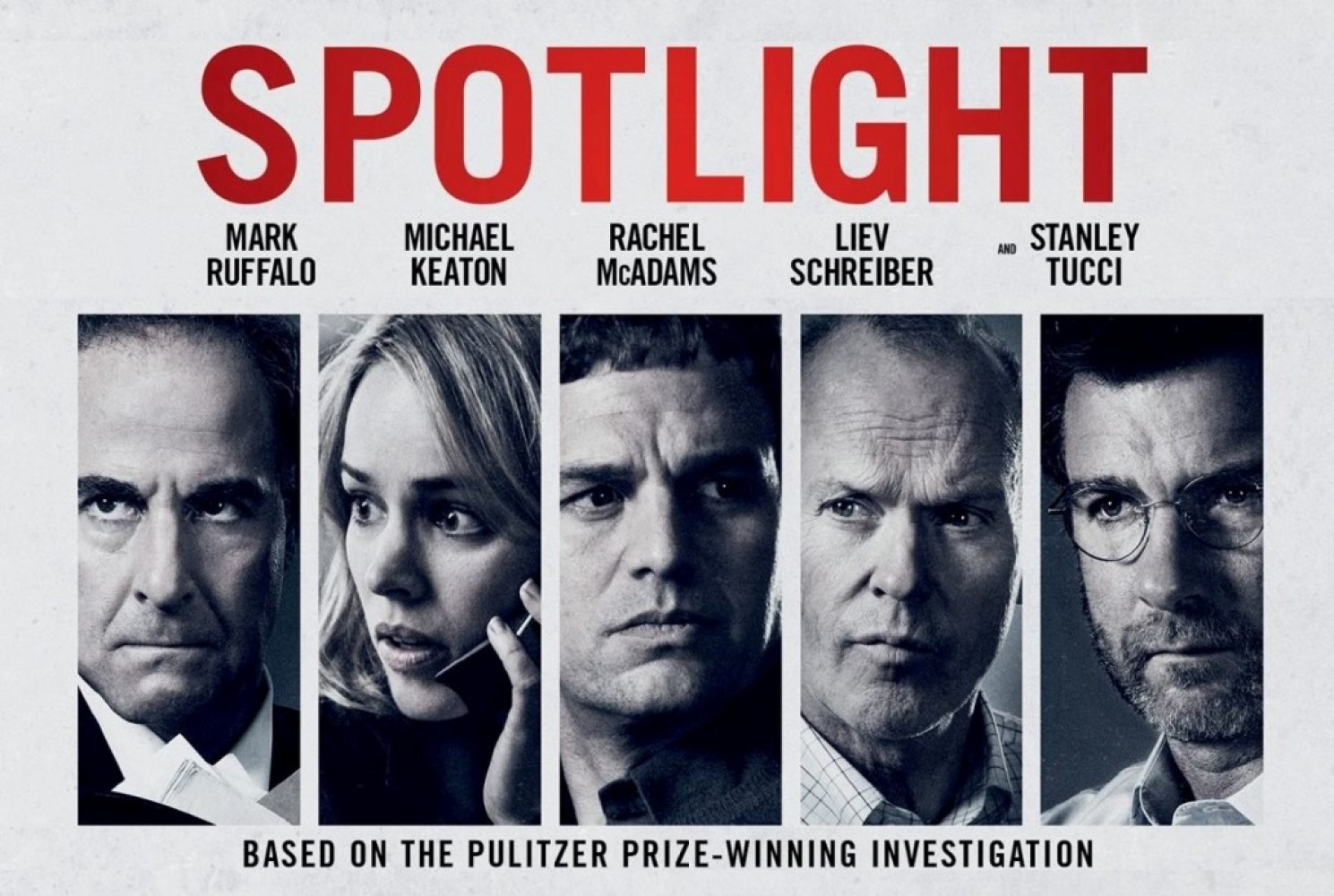
Why Spotlight Is a Masterclass in Restraint Over Rage
How Spotlight blends real reporting work with human complexity, showing that controlled storytelling can be more powerful than outrage.
-
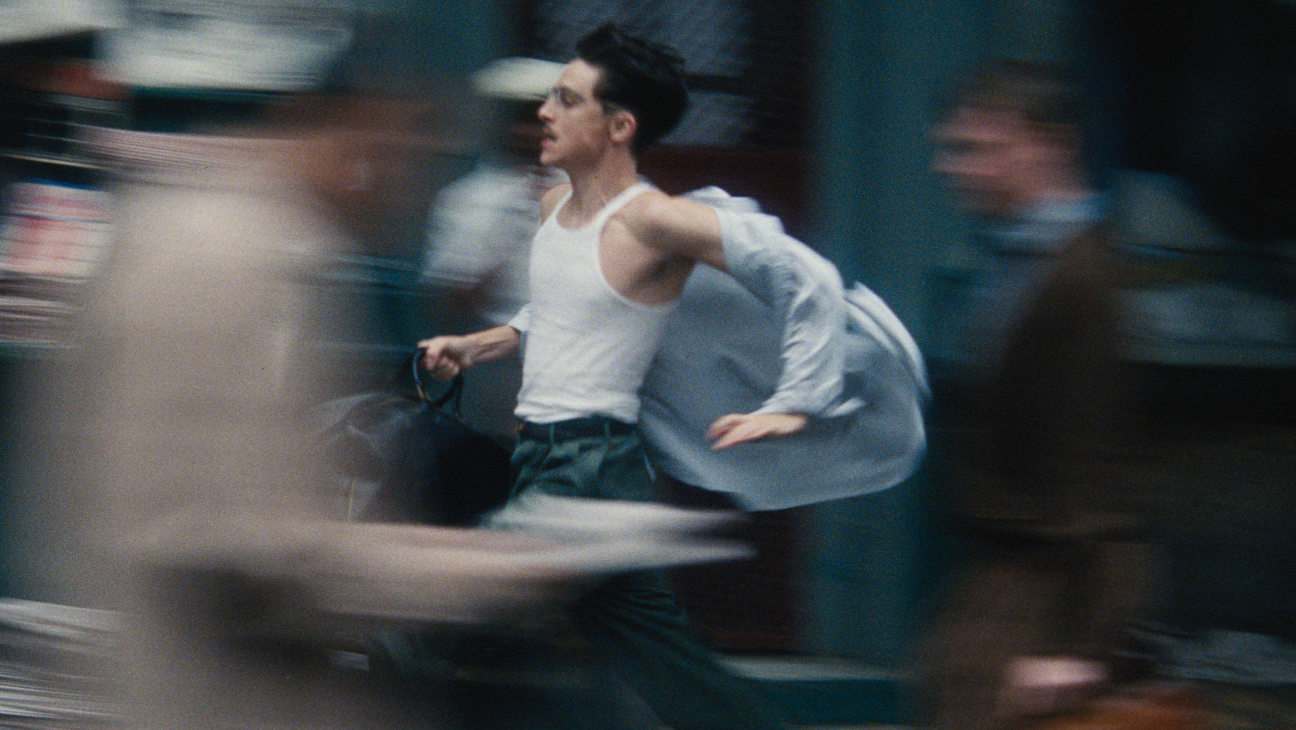
Marty’s World Has Its Own Visual Rules
See how Marty Supreme uses space, crowd scenes, and camera focus to show a character who feels separate from his world.
-

What Marty Supreme Shares With Kendall Roy and Saul Goodman
Why Marty Mauser’s ambition and self reinvention in Marty Supreme echoes traits from Kendall Roy and Saul Goodman’s most compelling moments.
-

Josh O’Connor’s Father Jud and the Problem With Easy Scapegoats
Josh O’Connor’s Father Jud reveals how easy scapegoats can hide deeper moral failures, turning blame into one of the story’s most unsettling tensions.
-

Why the Real Villain in Knives Out Is Usually the Room Itself
Why Wake Up Dead Man turns its church setting into a psychological puzzle that drives the story and keeps viewers guessing.
-

What Makes the Ending of Uncut Gems Unusual but Satisfying
Uncut Gems pushes chaos to the brink before landing in surprising quiet. This article breaks down what makes the ending feel strangely complete.
-

Is Wake Up Dead Man a Story of Justice or a Story of Judgment?
Is Wake Up Dead Man about solving a crime, or about how people rush to judge one another before the truth is revealed?
-

Spotlight’s View of Reporting Will Change How You Think About the News
How Spotlight portrays journalism as a moral discipline grounded in persistence and ethics, not as a flashy hero story.
-

Benoit Blanc’s Accent Isn’t the Bit. It’s the Distraction
How Benoit Blanc uses courtesy and charm to disarm suspects and drive the investigation in Knives Out 3 Wake Up Dead Man.
-

How Wake Up Dead Man Rewrites the Rules of Sympathy in Murder Mysteries
Rian Johnson’s Wake Up Dead Man bends our instincts for kindness, pushing viewers to rethink who deserves sympathy and why we feel it in the…