-

Forget the Romance: His & Hers Is a Show About Conflicting Perspectives
Why His & Hers focuses on truth, perception, and clashing perspectives instead of a straight love story in Netflix’s mystery series.
-
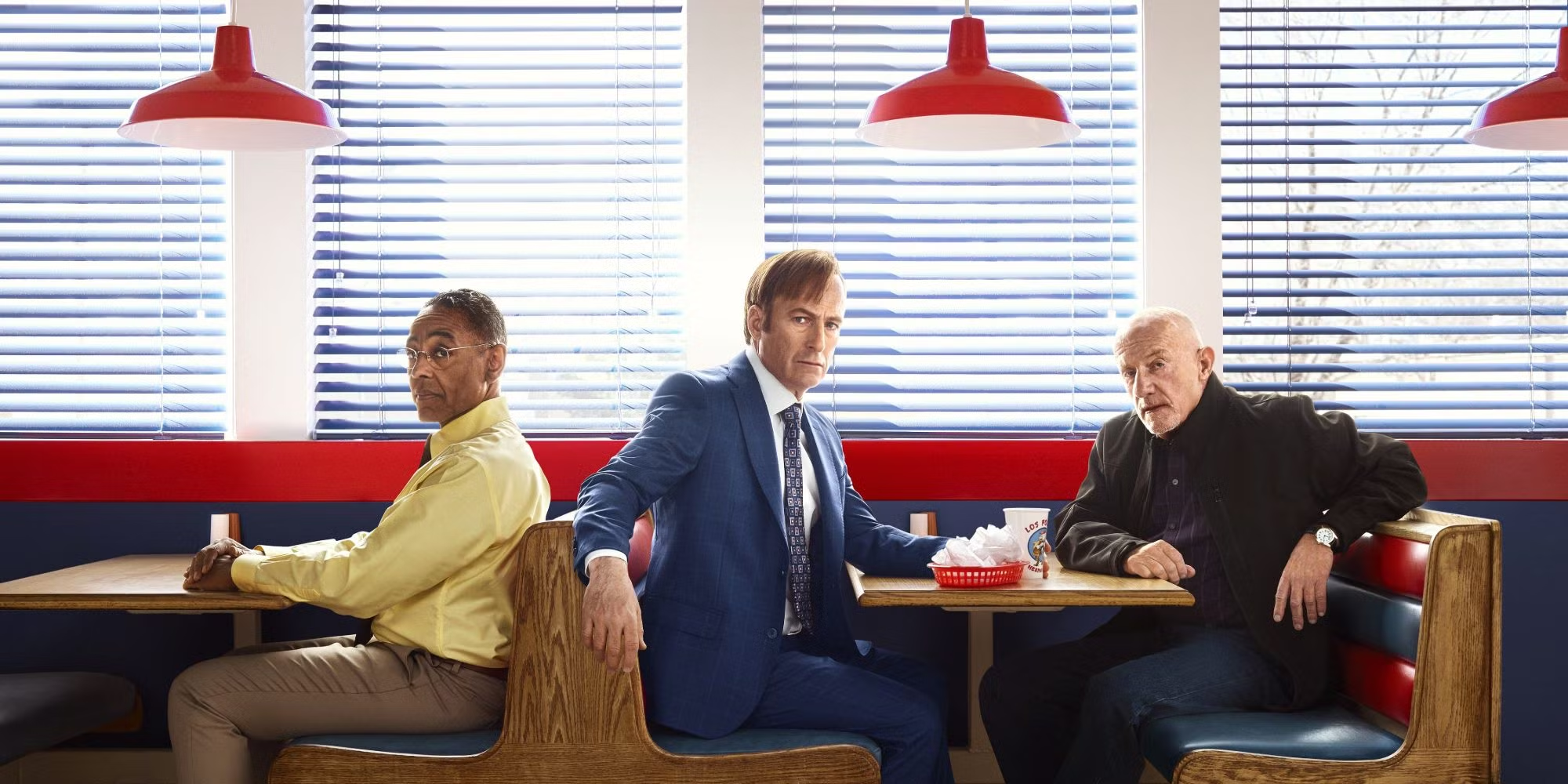
How Mike and Gus Outsmart Ego in Better Call Saul
Why Mike and Gus outlast ego-driven characters in Better Call Saul with steady pragmatism, discipline, and a grounded sense of purpose.
-

Why Pluribus Breaks Characters Instead of Uplifting Them
Pluribus refuses easy fixes. Here’s how it exhausts its cast and turns emotional survival into the core of the story.
-

Why The Americans Makes Espionage Feel Boring – On Purpose
The Americans avoids flashy spy tropes, choosing subtle work and domestic strain to reveal a more honest kind of tension.
-

Pluribus Shows Us How Consent Can Be an Illusion and Choice a Trap
How Pluribus turns choice into pressure and consent into something almost impossible to hold onto.
-

The Stranger Things Finale Is A Blockbuster Goodbye With A Lot On Its Mind
Stranger Things goes full blockbuster in the finale. I break down the spectacle, the emotions, and the shaky logic that still works.
-

Succession Makes Every Room Feel Like a Battlefield
Succession turns cinematography into another layer of conflict. Read why every frame feels like a power play in the Roy family’s battles.
-
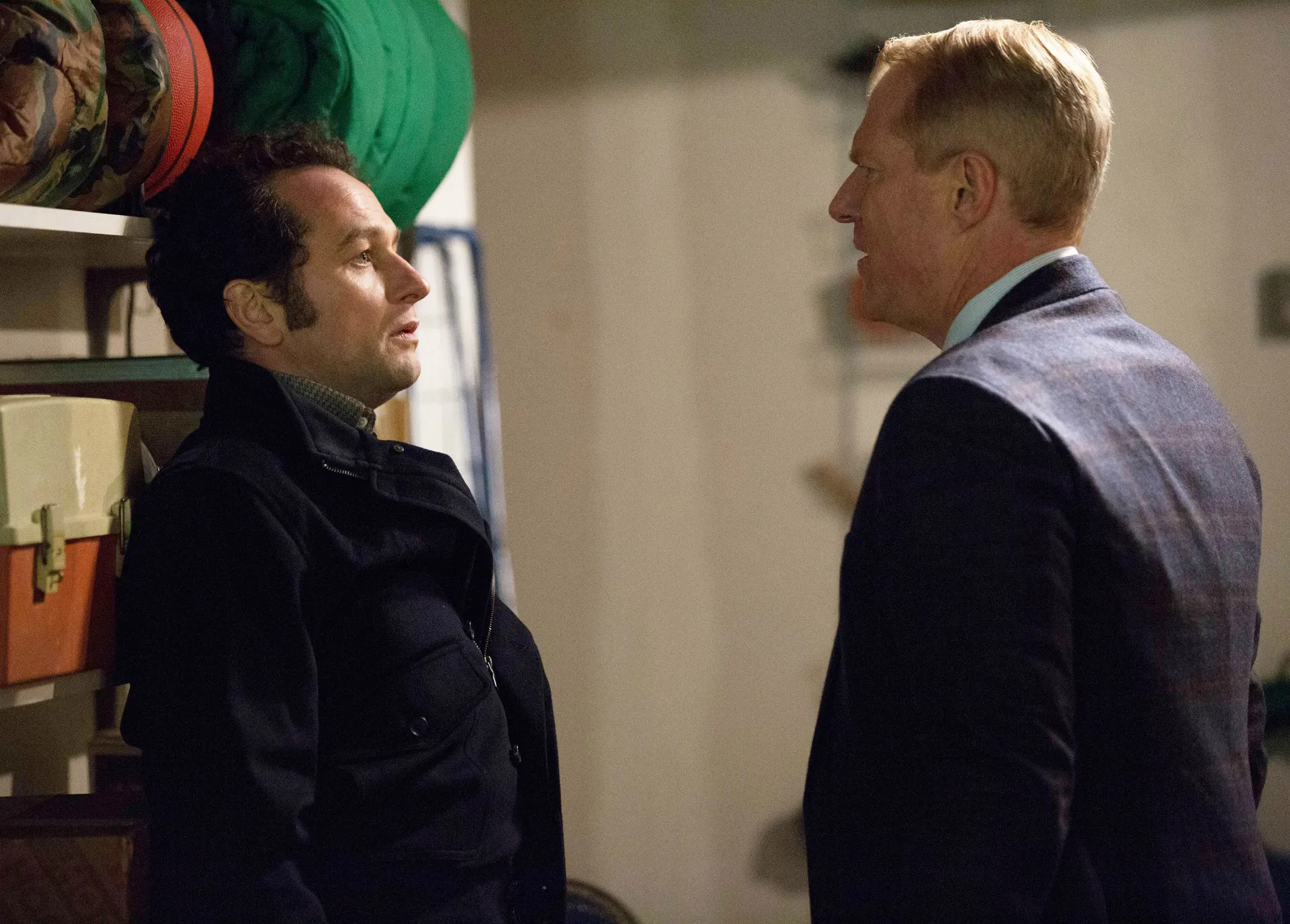
Philip and Stan Are Trapped by Different Kinds of Silence
Stan Beeman and Philip Jennings show us how isolation can live inside routines, relationships, and even loyalty in The Americans.
-

The Final Stranger Things Trailer Feels Like a Goodbye Tour with Teeth
Stranger Things’ final trailer tees up Hawkins Lab, the tank, Vecna closing in, and a two front war. Plus why the Mind Flayer may return.
-

Pennywise’s Shapeshifting Explained and What Each Form Reveals About Fear
A quick guide to Pennywise’s key forms across It and Welcome to Derry, and what each disguise reveals about fear, guilt, and survival.