-
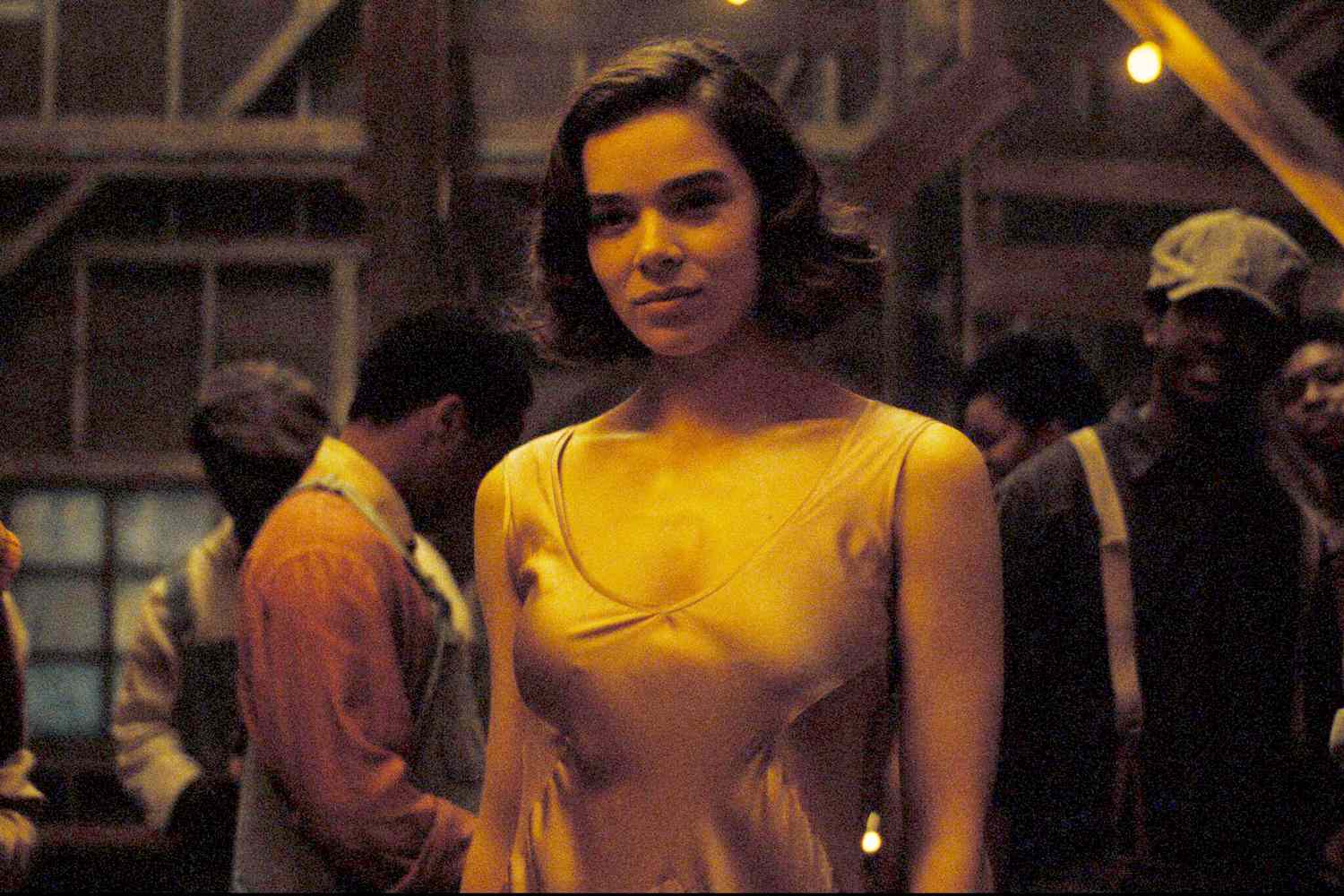
The Sinners Scene Everyone Keeps Talking About, Explained
The juke joint scene in Sinners turns music into memory, danger, and community.
-
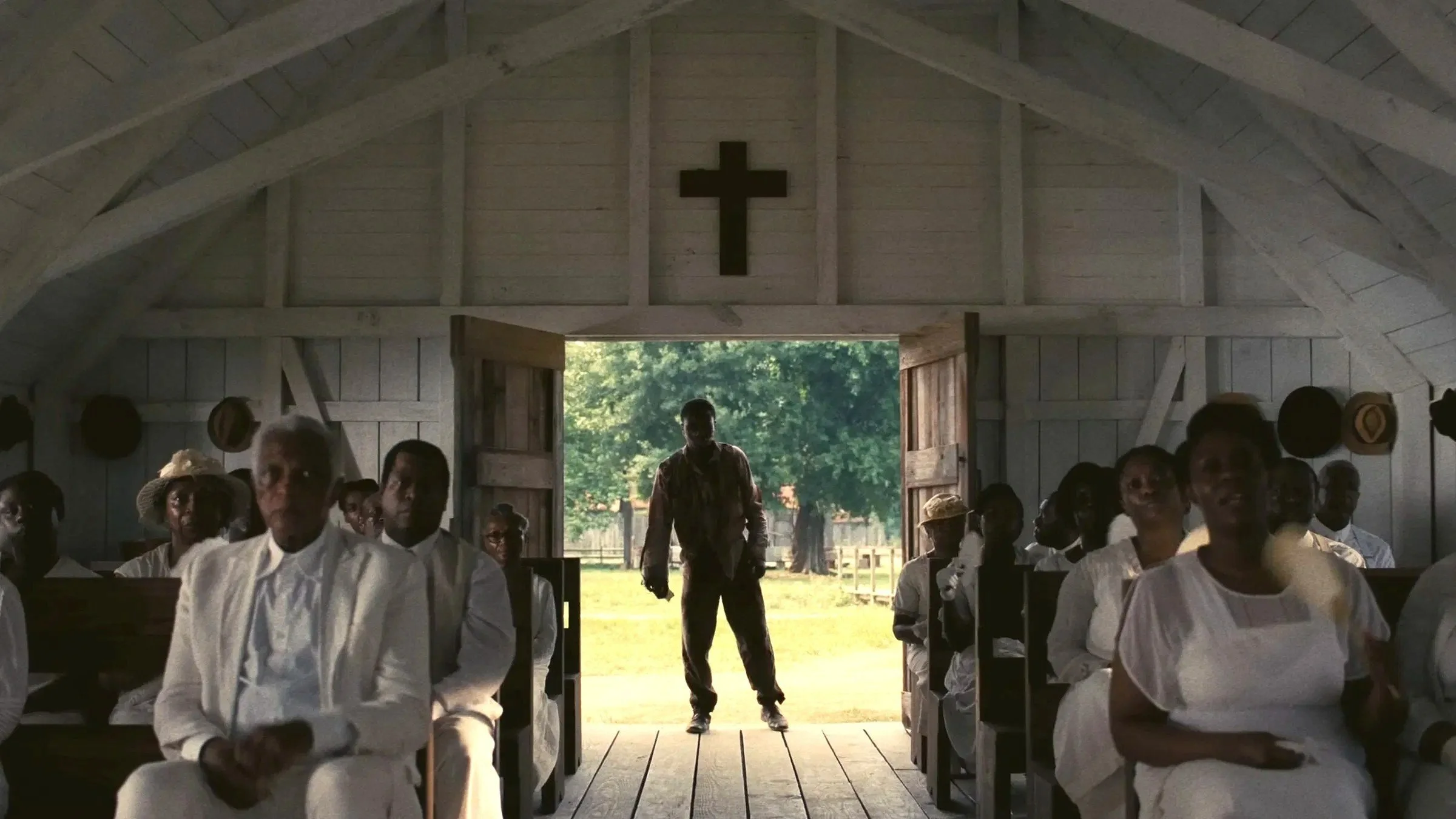
The Most Powerful Person in Sinners Is Not Who You Think
Sinners makes power look like violence, money, and immortality, but its real strength lies with Sammie.
-
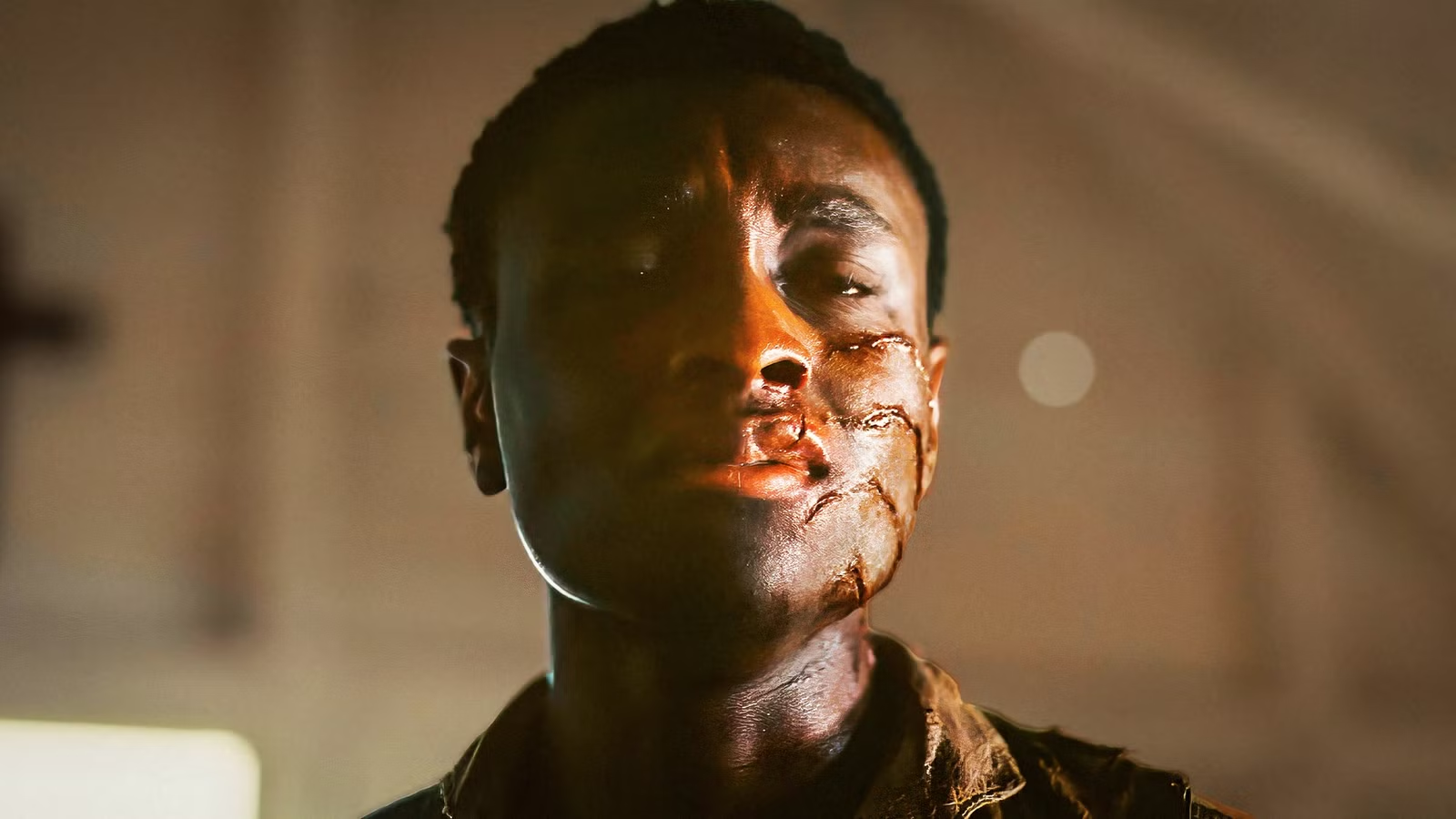
Sammie Carries the Future That Sinners Is Fighting For
Sammie may not be the loudest character in Sinners, but he may be the most powerful. Here’s why music gives him such a vital role…
-
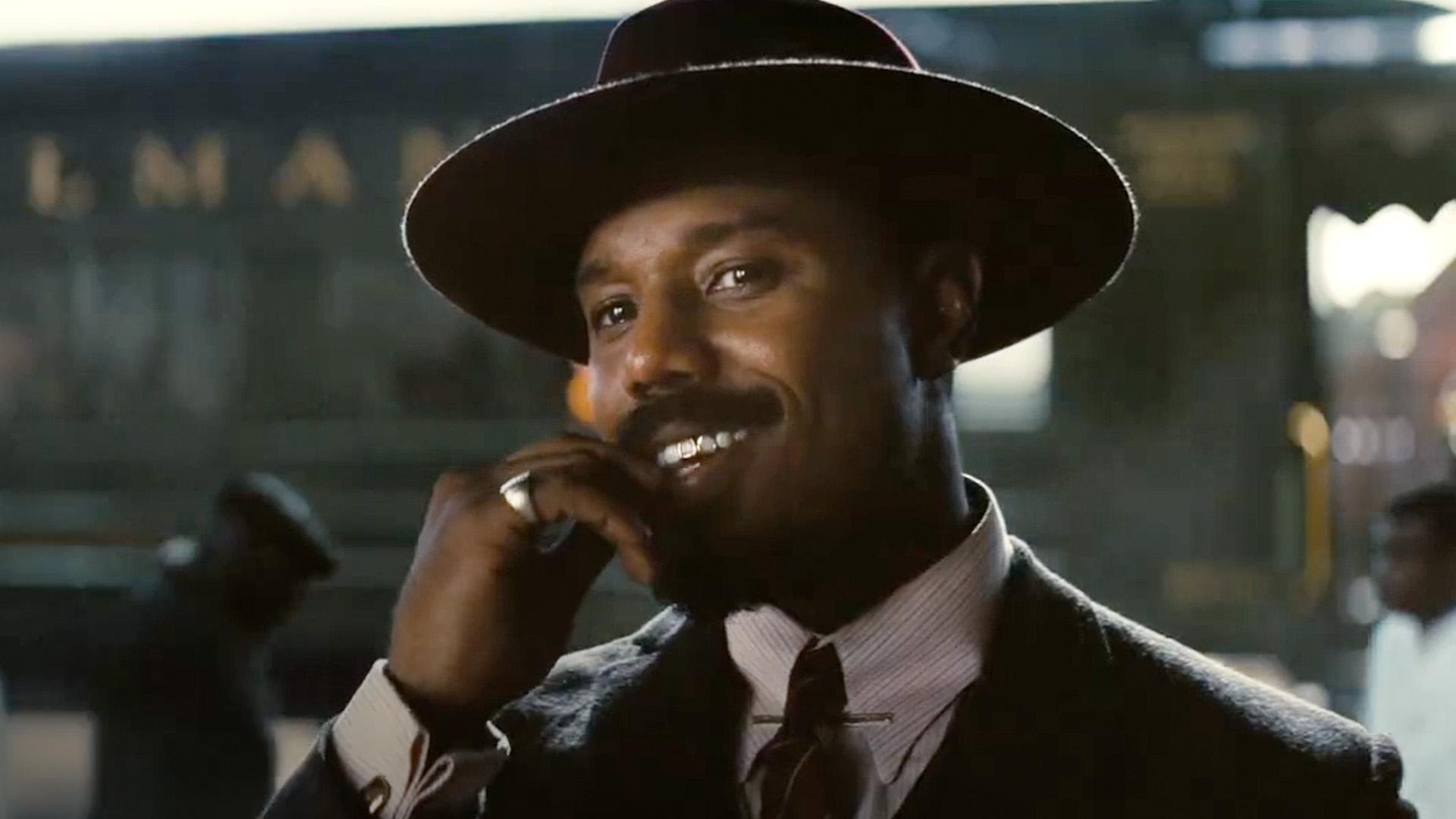
Smoke and Stack Represent the Two Halves of Sinners’ Wound
What do Smoke and Stack really represent in Sinners? A closer look at how the film uses the twin brothers to deepen its themes and…
-
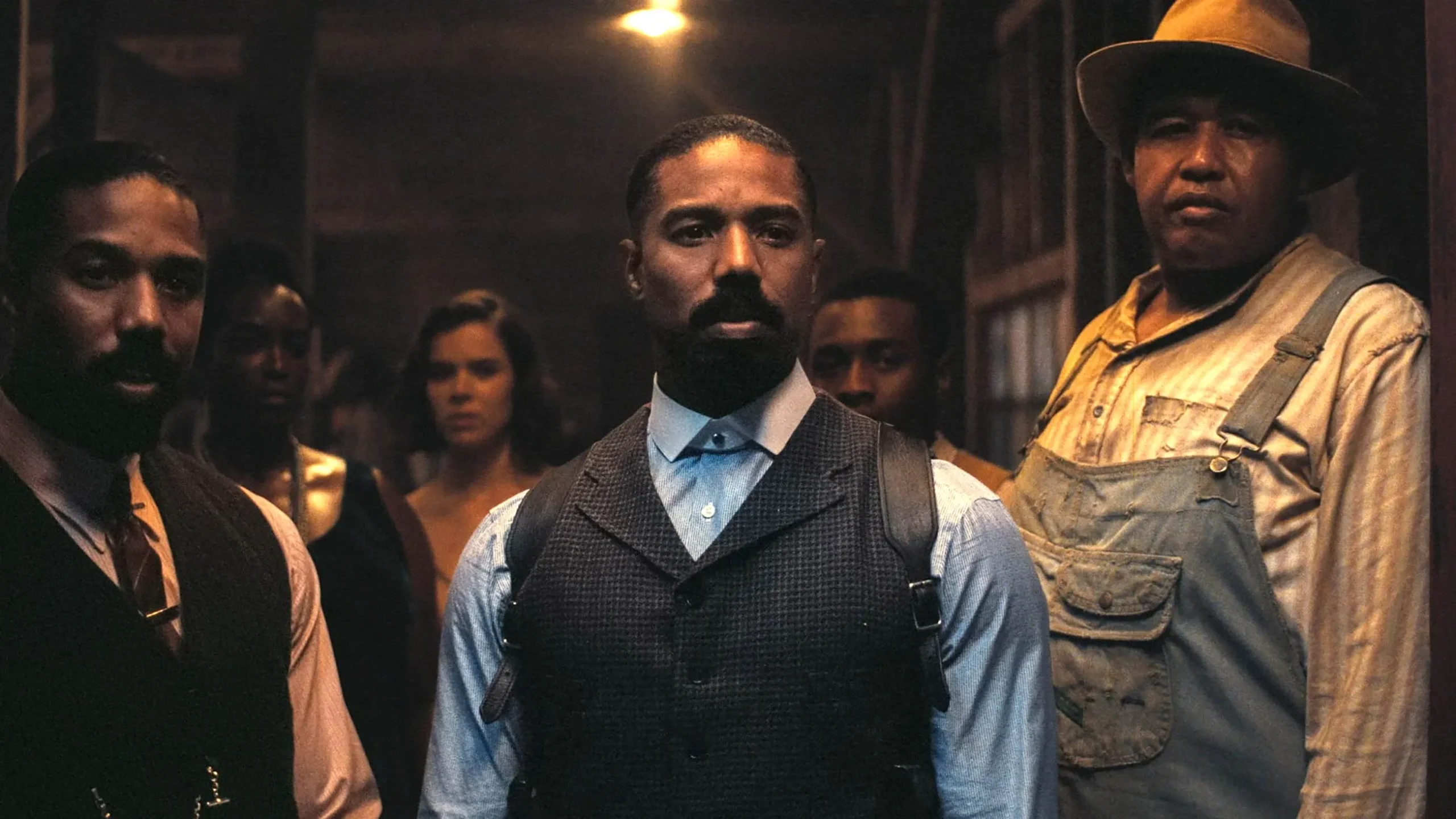
Sinners Doesn’t Chase Tension. It Lets It Find You
Horror rarely feels this controlled. Here’s why Sinners stays tense in its calmest scenes and why that approach works so well.
-
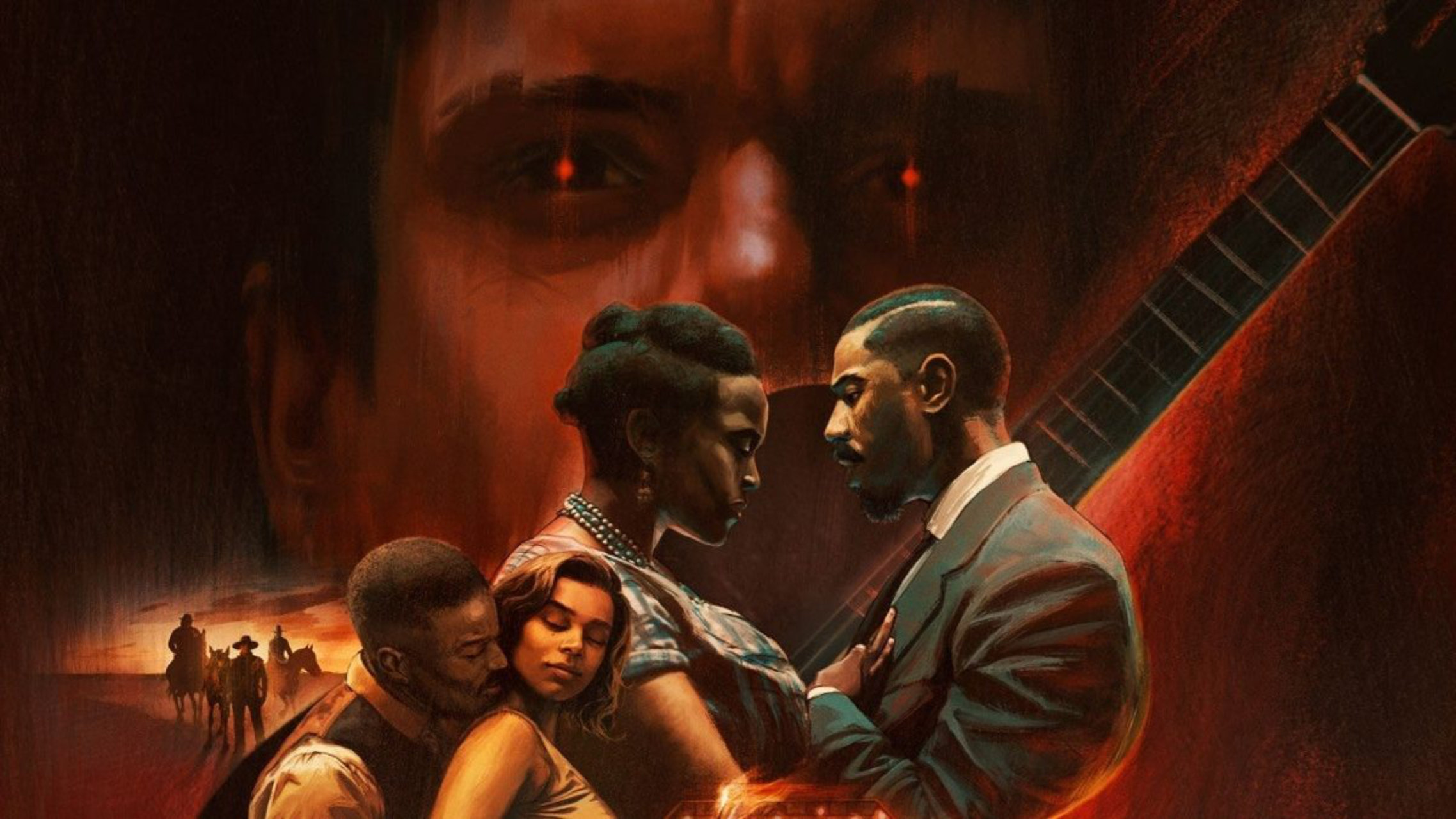
In Sinners, History Doesn’t Haunt. It Hunts
What Sinners is saying about the past never staying buried, and why the film’s horror and history make its deeper meaning so haunting.
-
Sinners Uses Horror as a Doorway, Not the Destination
Sinners is far more than a horror movie. Here’s why Ryan Coogler’s vampire story is really about identity and belonging.
-
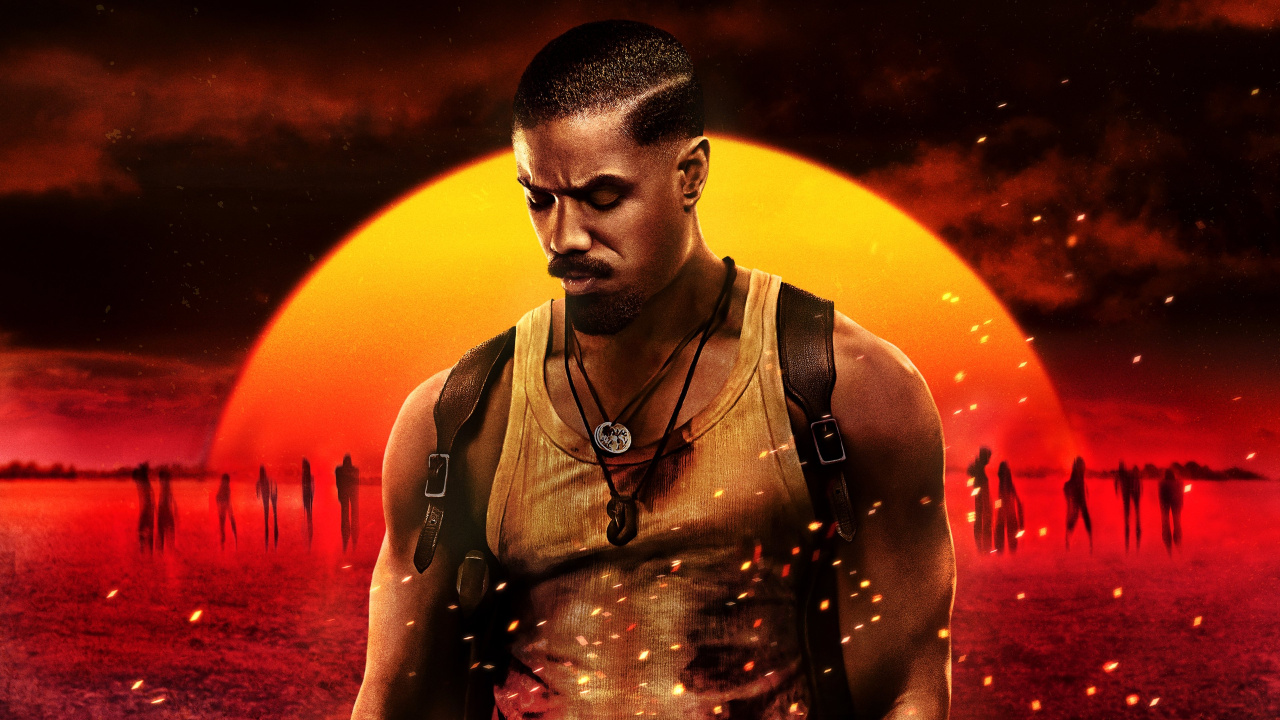
The Ending of Sinners Is Less an Answer Than a Reckoning
A full breakdown of the Sinners ending, including who survives, what the final scenes mean, and why the movie’s deeper message hits so hard.
-
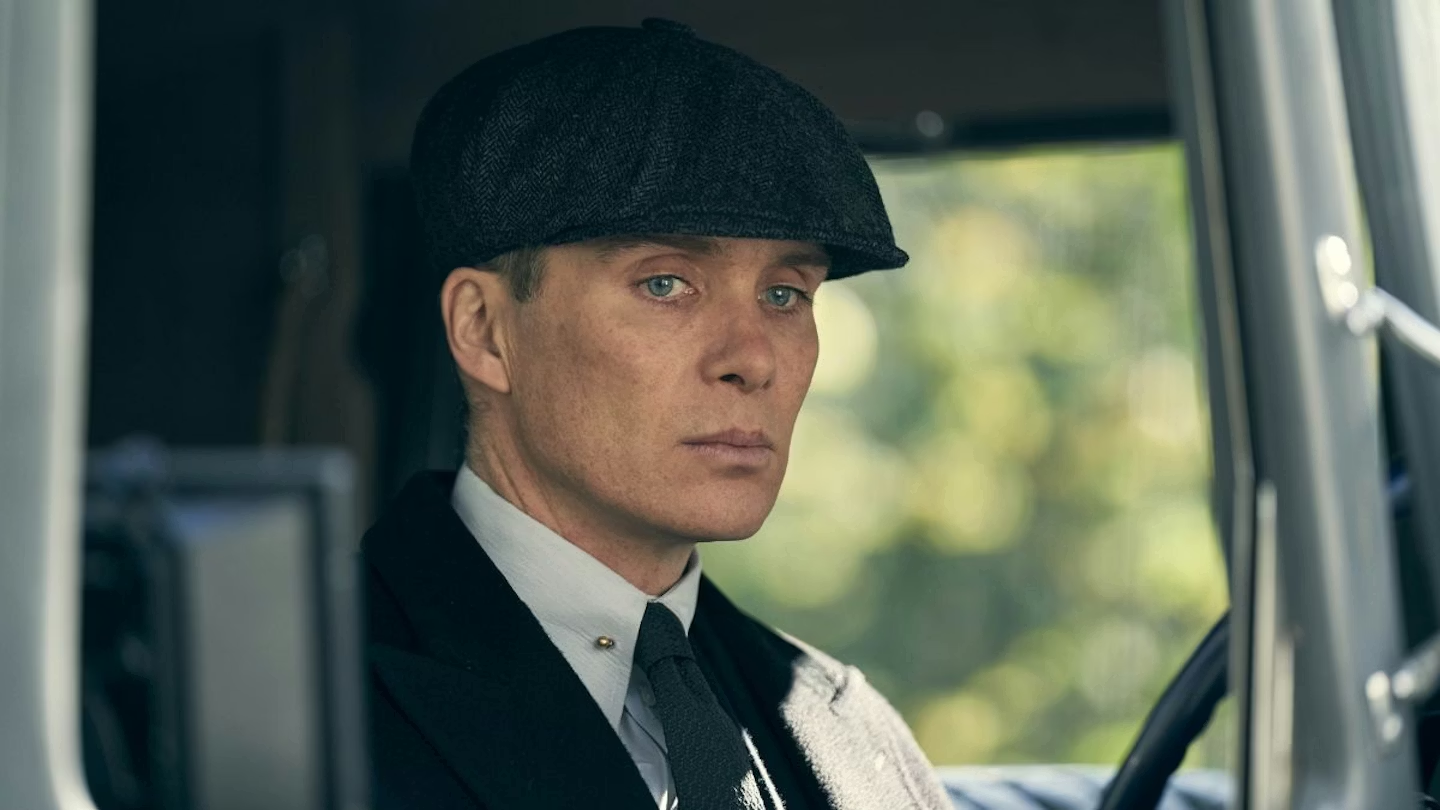
Tommy Shelby Has One Last Ghost to Face
Why Tommy Shelby’s story still doesn’t feel finished in Peaky Blinders: The Immortal Man.
-
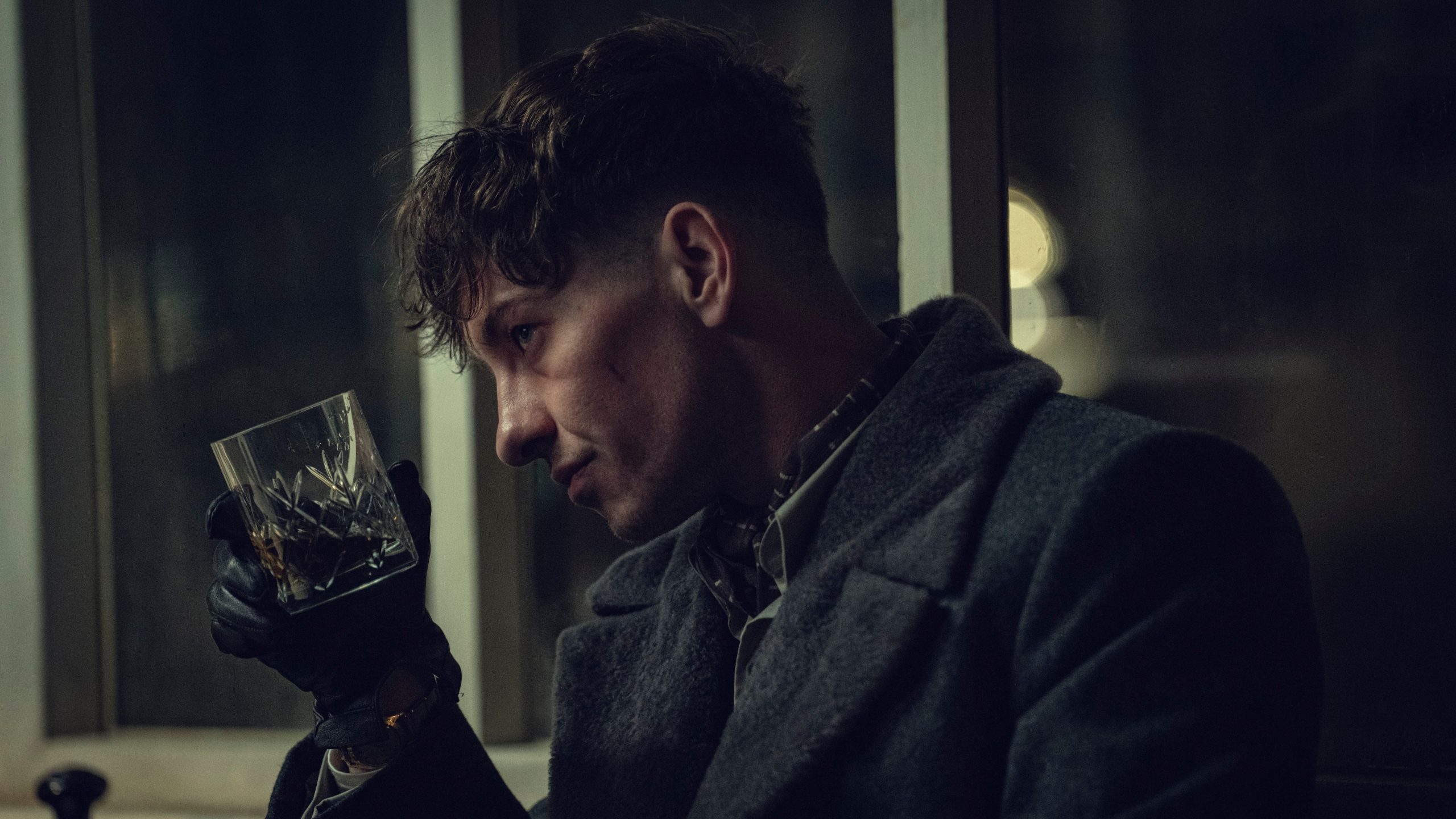
The Peaky Blinders Movie Needs More Than Smoke and Swagger
From Tommy Shelby’s final arc to the tone of the story, here’s what The Immortal Man needs to get right to feel worthy of Peaky…