-
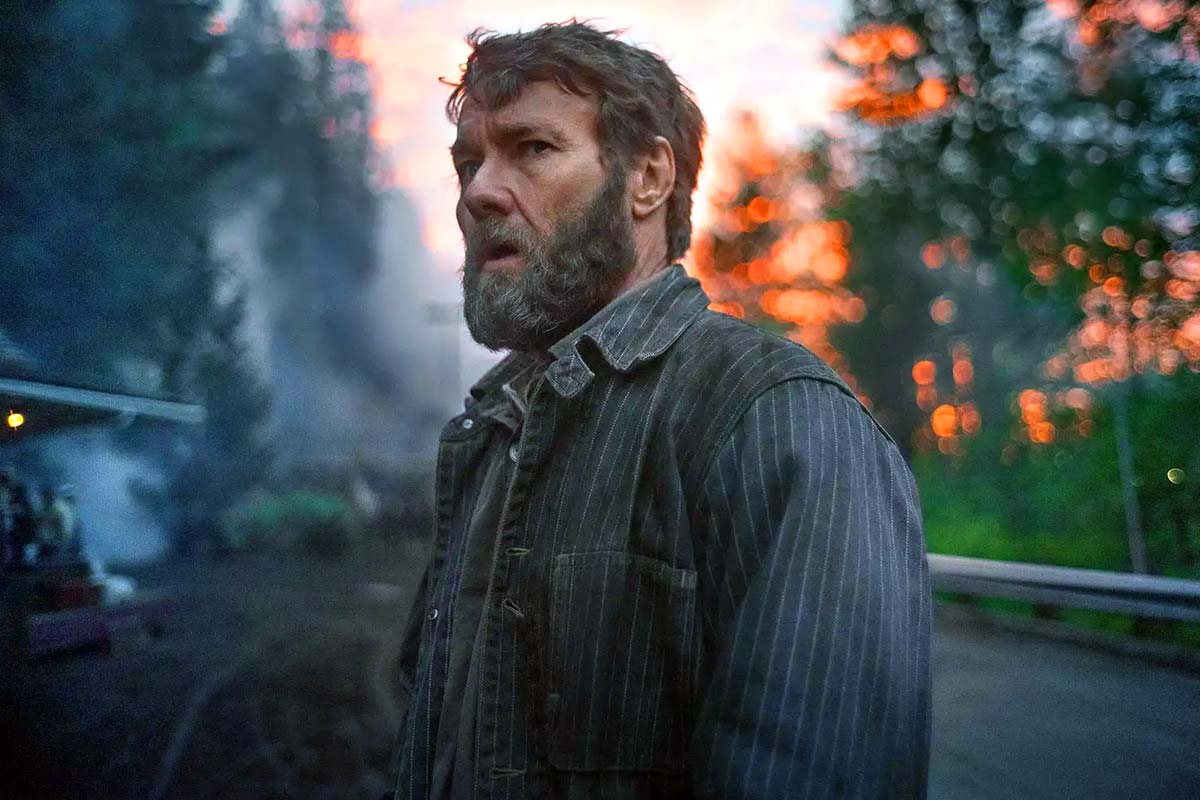
What Most People Miss About The Wildfire Scene in Train Dreams
The wildfire scene in Train Dreams marks the film’s emotional turning point, revealing the deeper meaning behind Robert’s grief.
-

The Wolf Girl in Train Dreams Doesn’t Work the Way You Think
The wolf girl in Train Dreams is one of the film’s most haunting mysteries. Here’s whether she’s meant to be real, symbolic, or both.
-
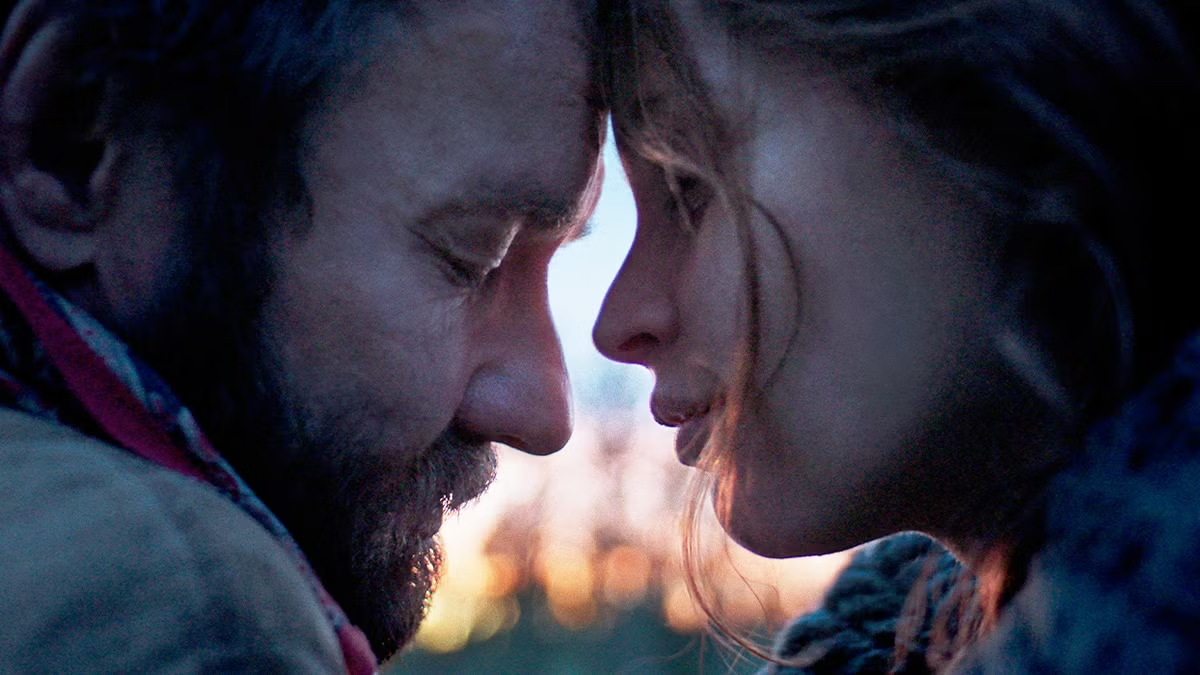
Train Dreams Turns Gladys’ Absence Into Its Deepest Ache
Gladys may not dominate every scene in Train Dreams, but her presence shapes the film from beginning to end.
-
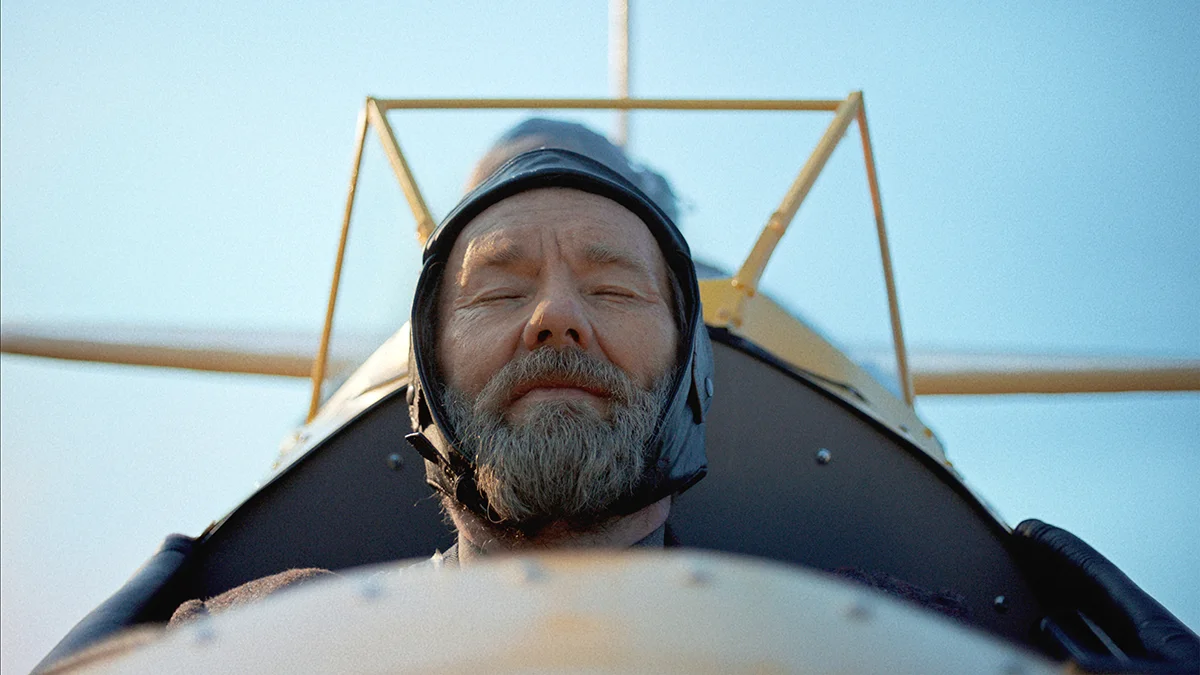
Robert Grainier’s Tragic Life is at the Heart of Train Dreams
Robert Grainier is the emotional center of Train Dreams. Here’s how his life, grief, and quiet resilience shape the film.
-
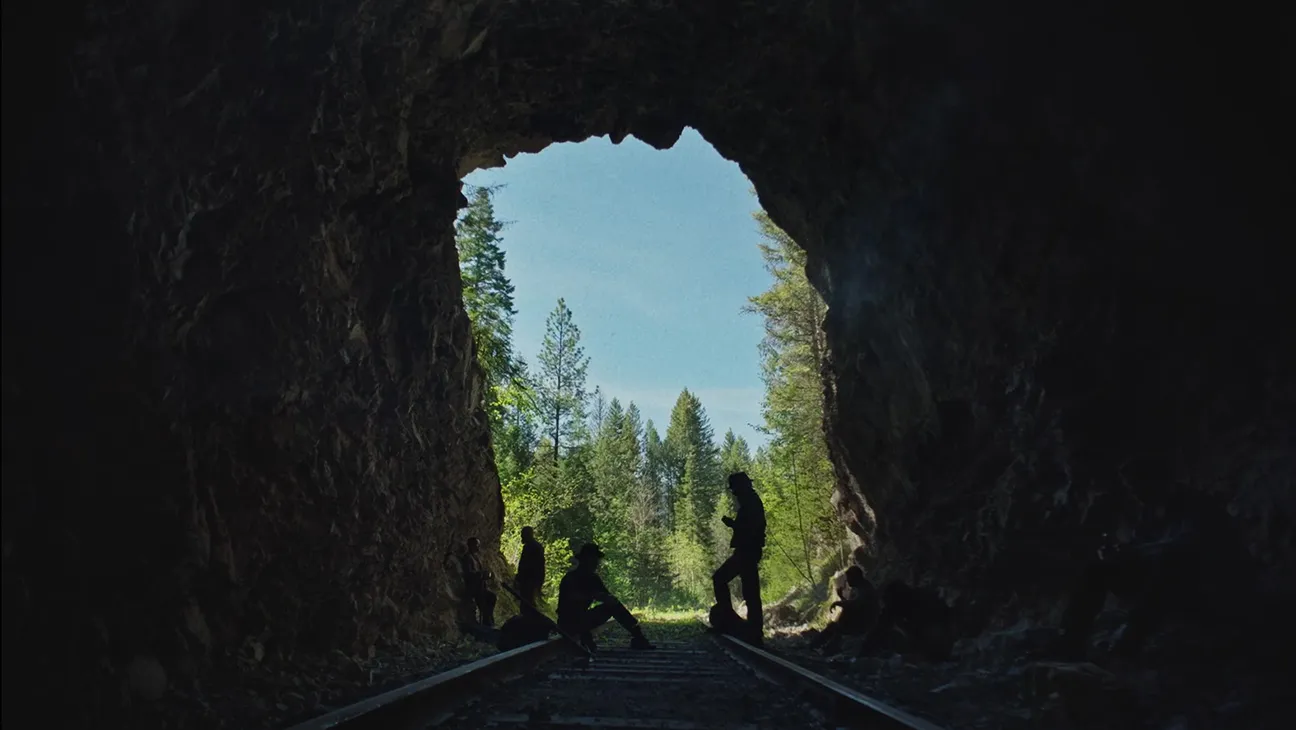
Nature vs Progress in Train Dreams: It’s Not the Conflict You Think
How Train Dreams uses Robert Grainier’s life to examine nature, industry, and the emotional cost of progress in a changing America.
-
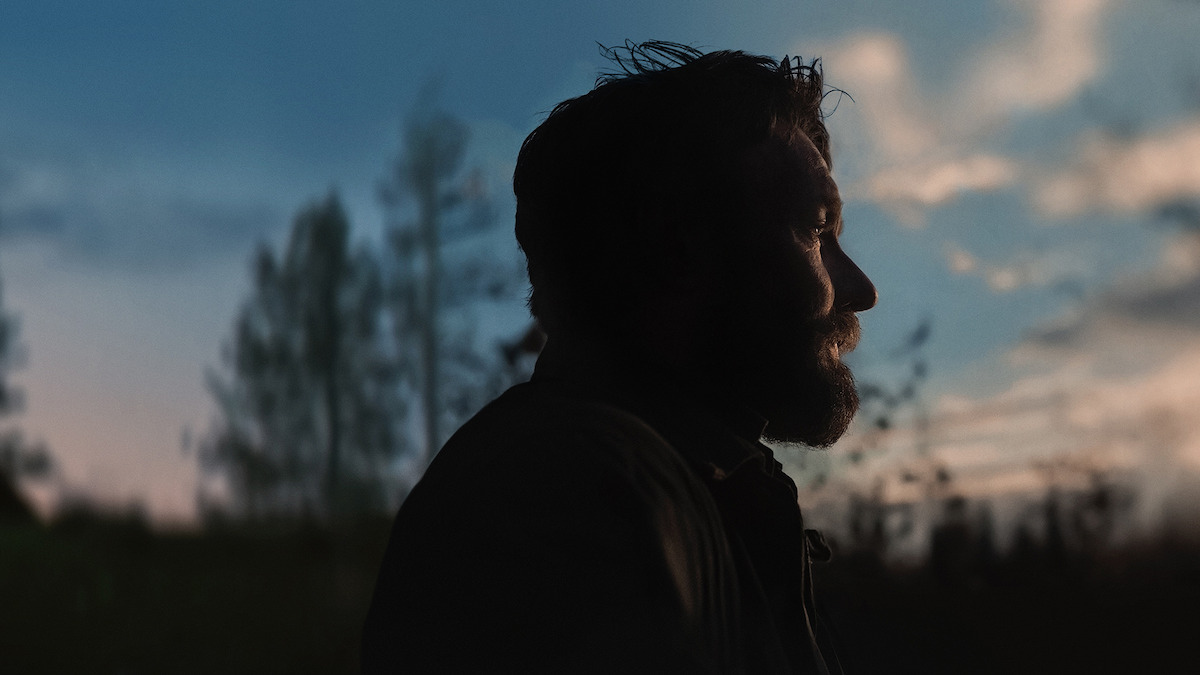
Train Dreams Makes Loneliness Feel Like a Landscape
Train Dreams is a quiet, haunting study of loneliness, grief, and emotional isolation, showing how Robert Grainier moves through love, loss, and a changing world.
-
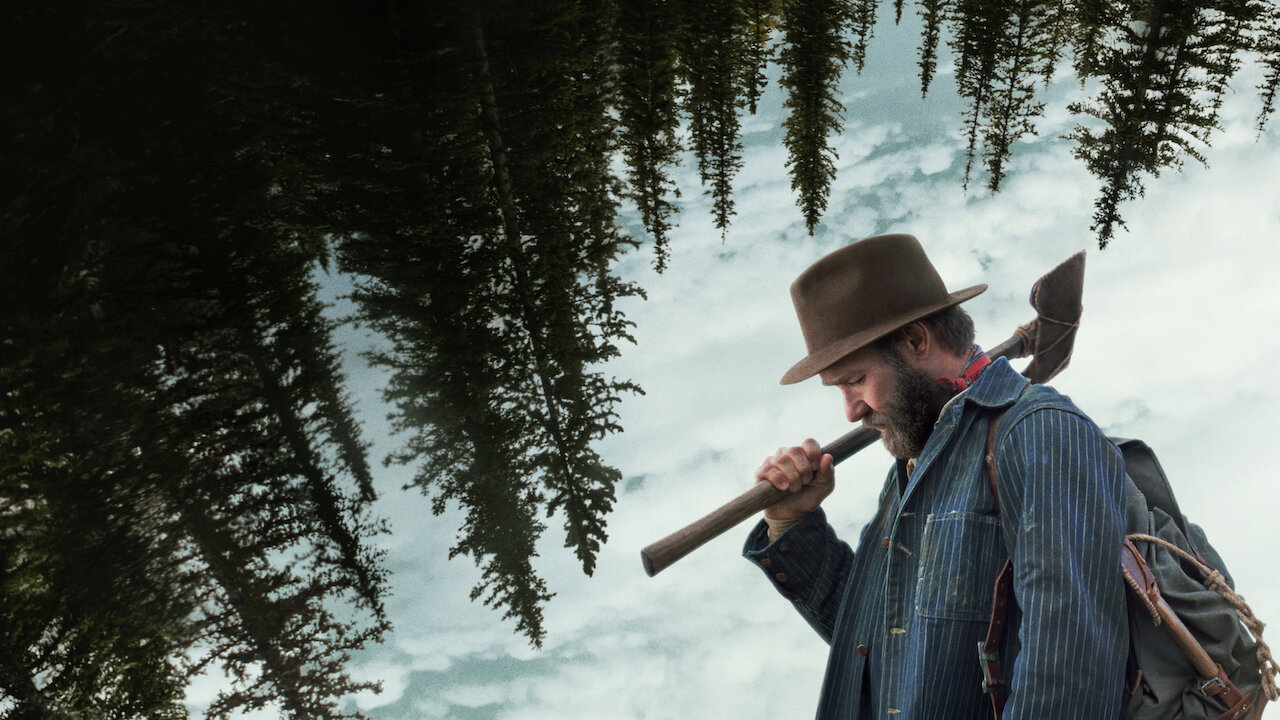
Train Dreams Makes One Life Feel Like the Whole World
How Train Dreams uses grief, memory, loneliness, and survival to tell the story of an ordinary life with extraordinary emotional weight.
-
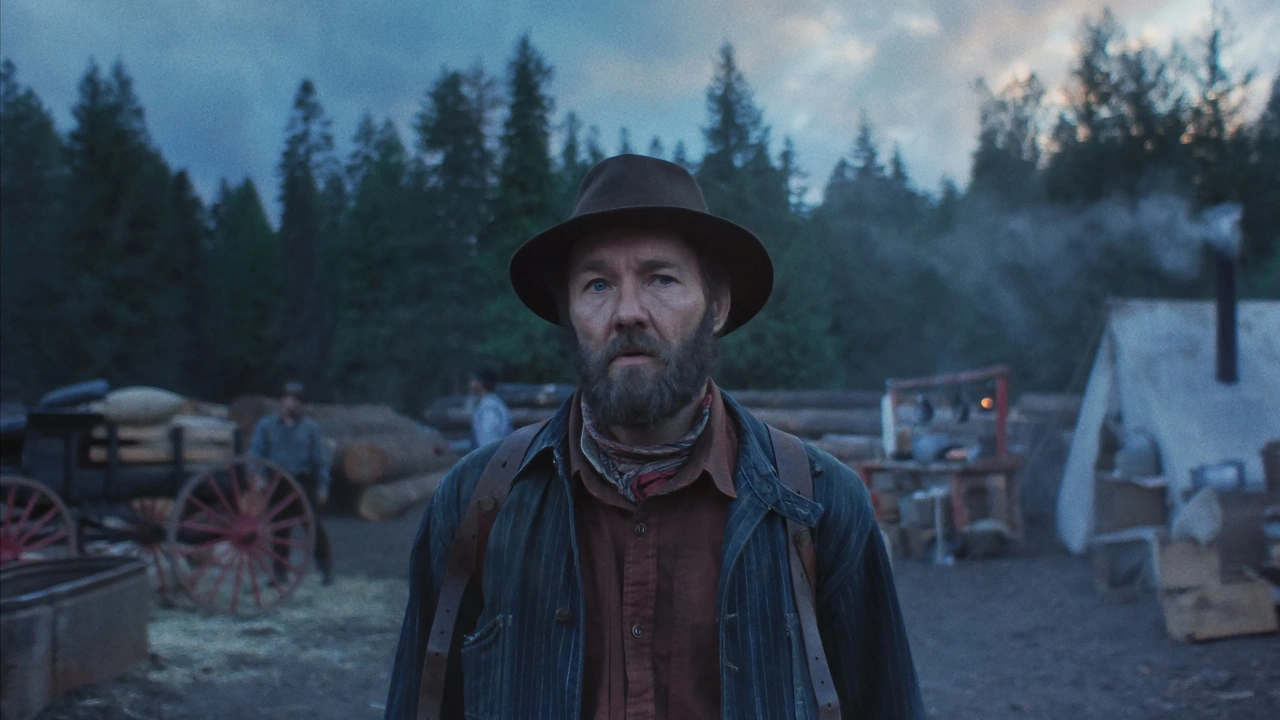
Train Dreams Ending Explained: What Really Happens to Robert Grainier
The ending of Train Dreams explained, including what happens to Robert Grainier, what the fire means, and why the film’s final moments feel so haunting.
-

Is Michelle Actually an Alien in Bugonia?
Is Michelle actually an alien in Bugonia? Here’s what the film reveals about Michelle, Teddy’s theory, and the ending’s deeper meaning.
-

The Moment Bugonia Crosses a Line You Can’t Unsee
A closer look at the most disturbing scene in Bugonia and how it reveals the film’s deeper ideas.