-

Anora Rips the Glitter Off the Cinderella Story
Sean Baker’s Anora looks like a modern fairy tale at first, but its real power comes from how brutally it rewrites the rom-com formula.
-
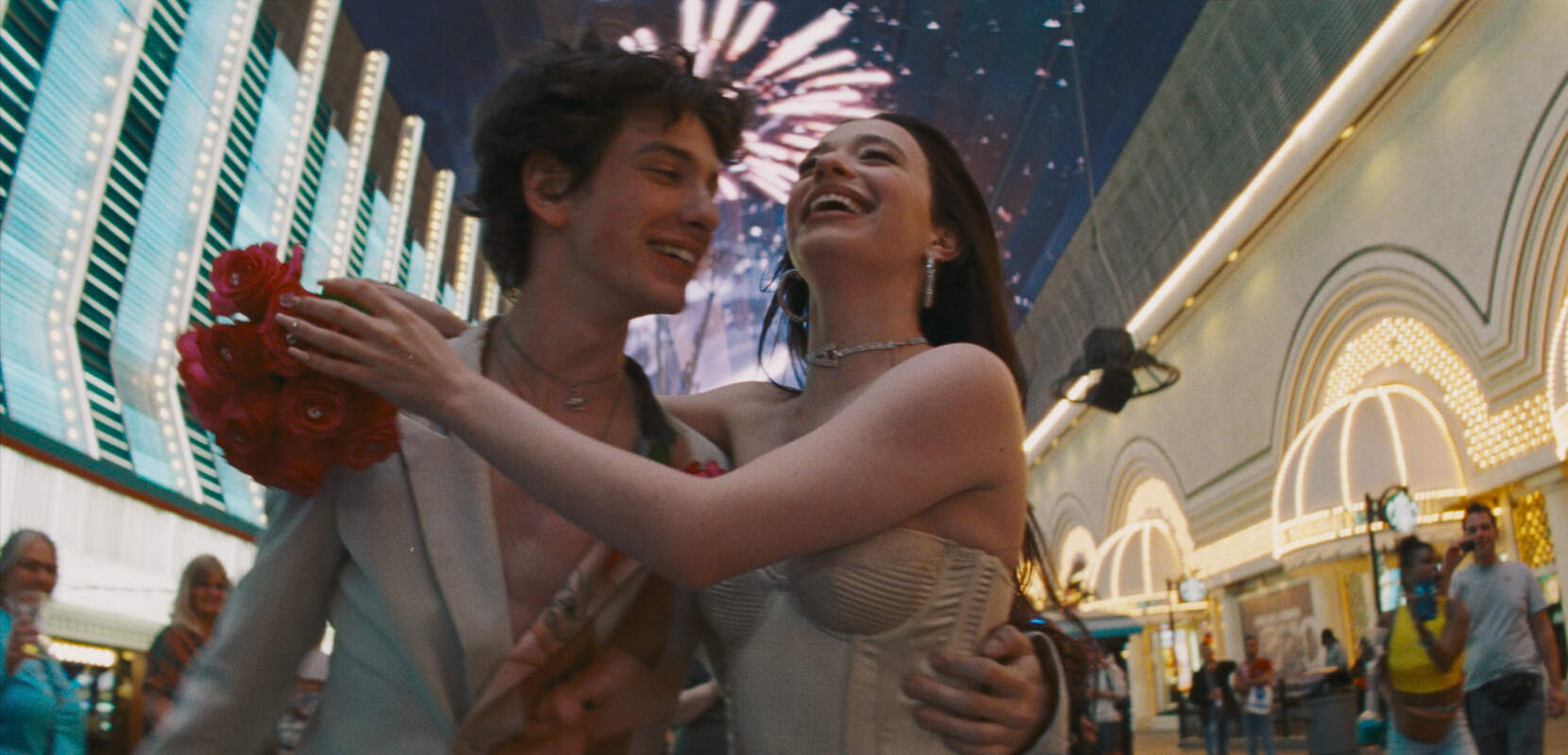
Anora Makes the Fairy Tale Pay Up
Why Anora feels like the Cinderella story 2024 actually needed, blending fantasy, romance, and harsh reality into something far more honest.
-
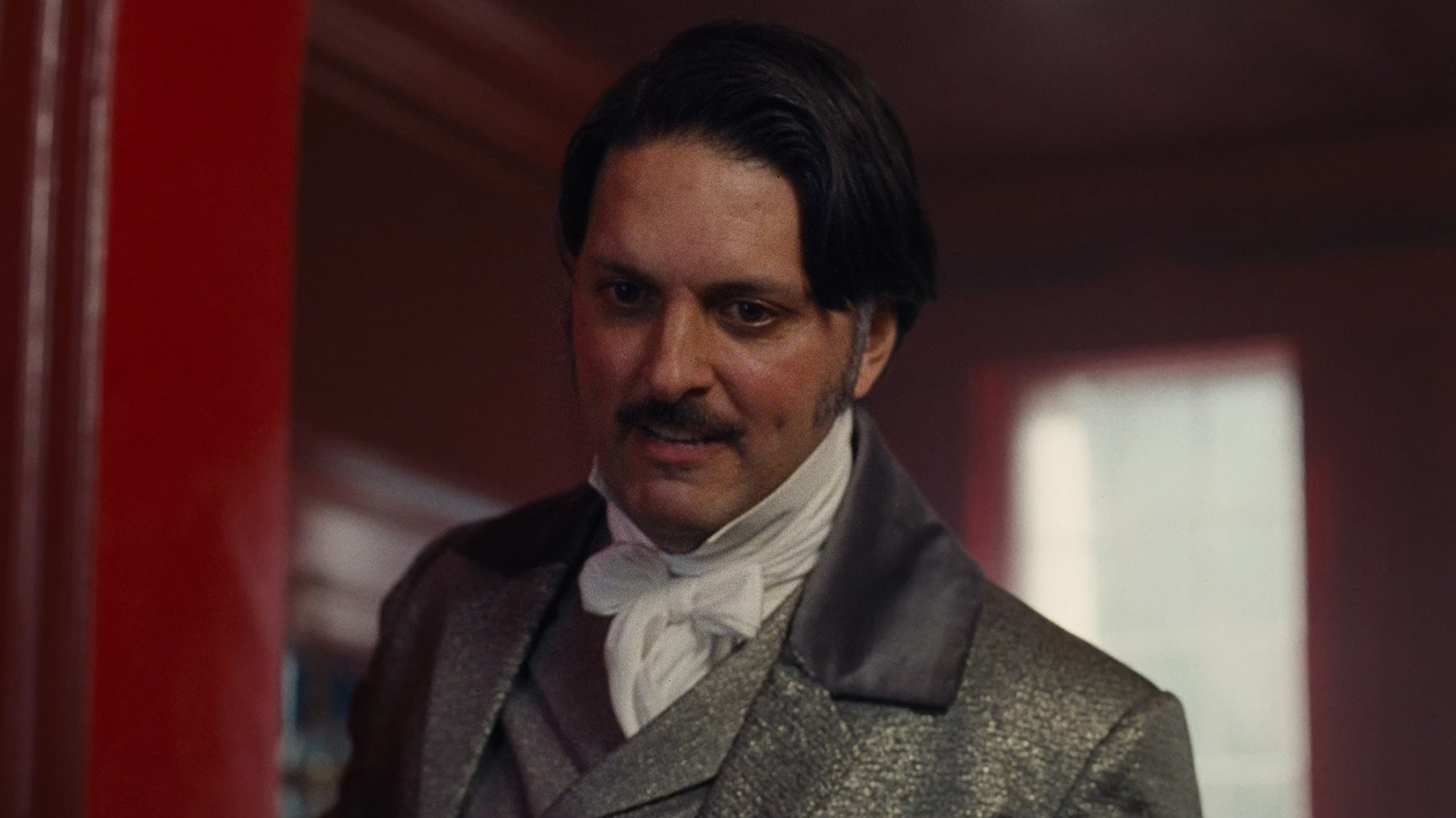
Edgar Linton Isn’t Evil. He’s Consequence
Edgar Linton plays a bigger role in Wuthering Heights than many viewers expect. Here’s how the quiet rival shapes Catherine and Heathcliff’s tragedy.
-
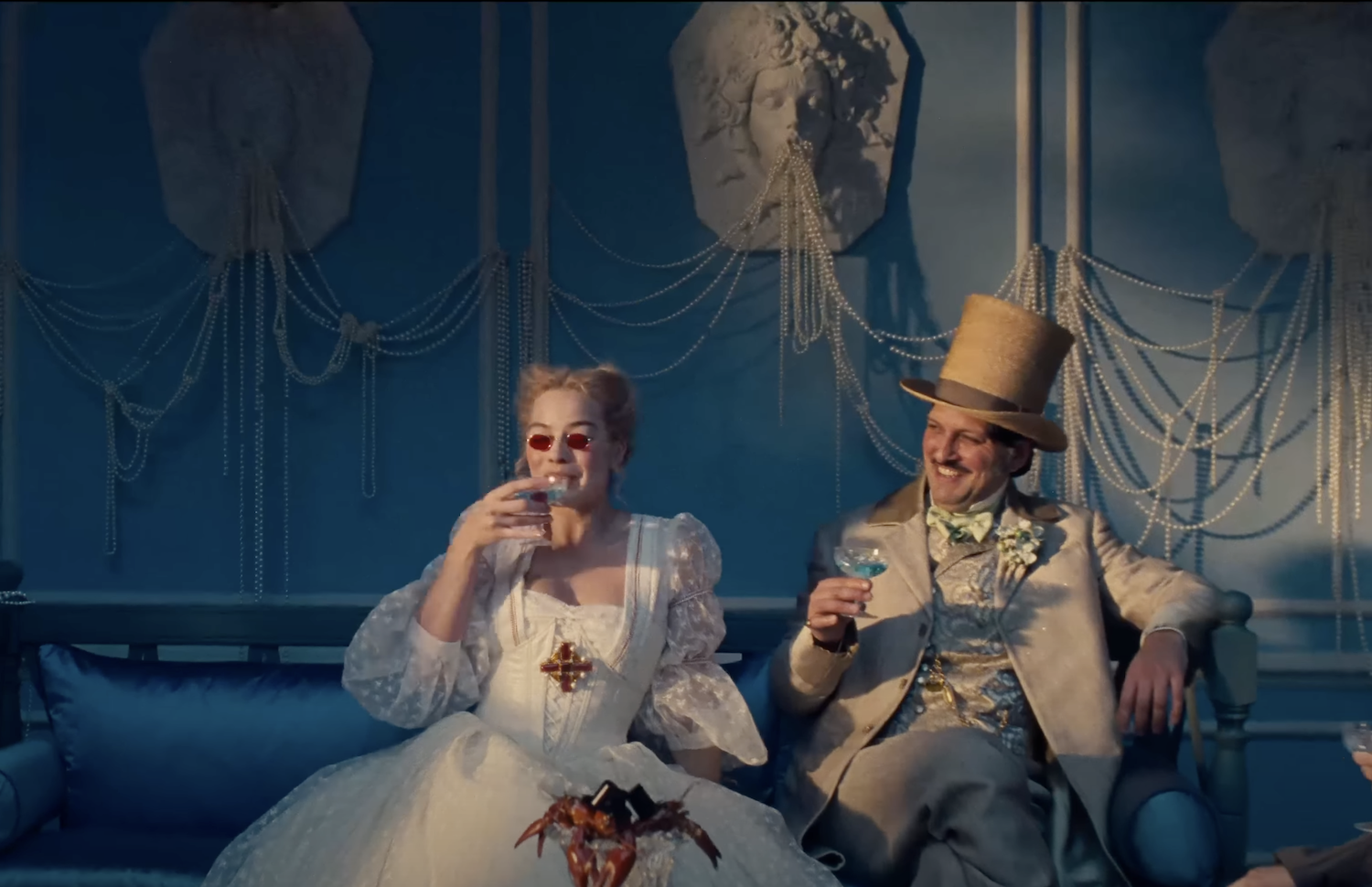
How Much of Brontë’s Wuthering Heights Survives the 2026 Movie?
Wuthering Heights (2026) makes several big changes to the novel. Here’s what the film keeps, what it cuts, and how faithful it really is.
-
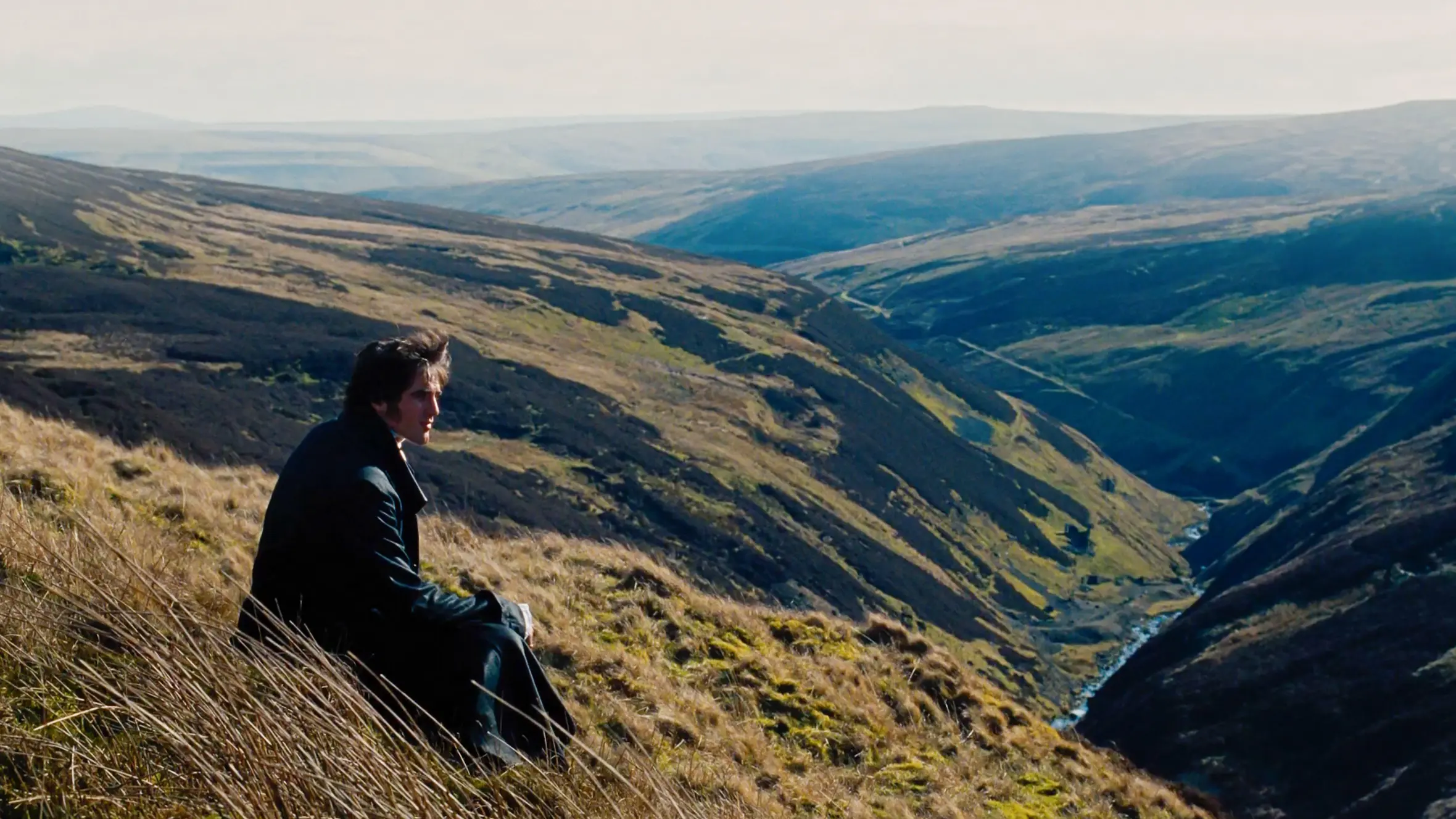
The Moors in Wuthering Heights (2026) Know Too Much
The moors in Wuthering Heights (2026) are more than scenery. They represent the darker side of Cathy and Heathcliff’s bond.
-
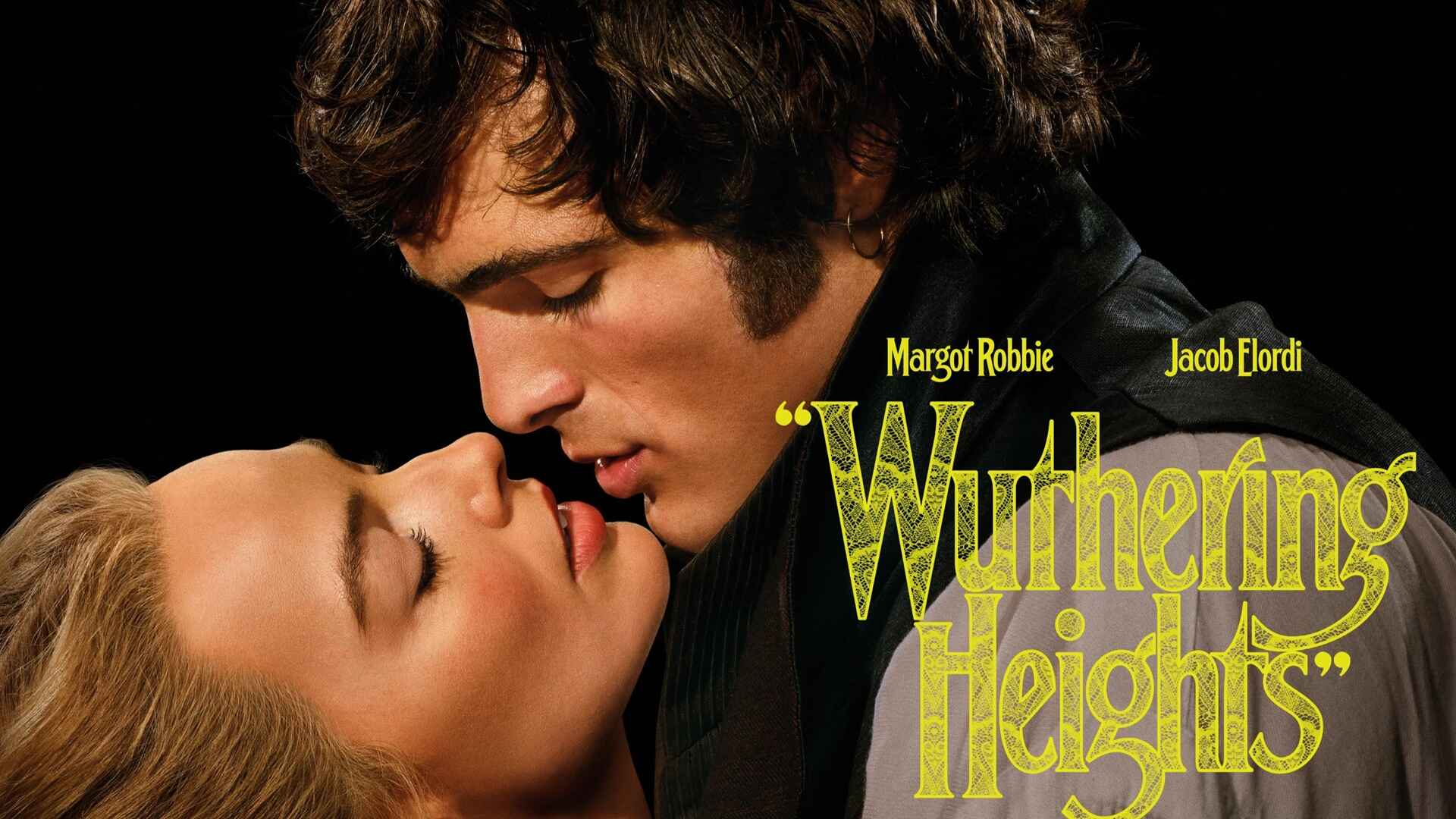
The Problem With Turning Heathcliff Into a Romantic Icon
Why Heathcliff in Wuthering Heights is not the romantic hero people think he is, and why his story is really about control, obsession, and revenge.
-
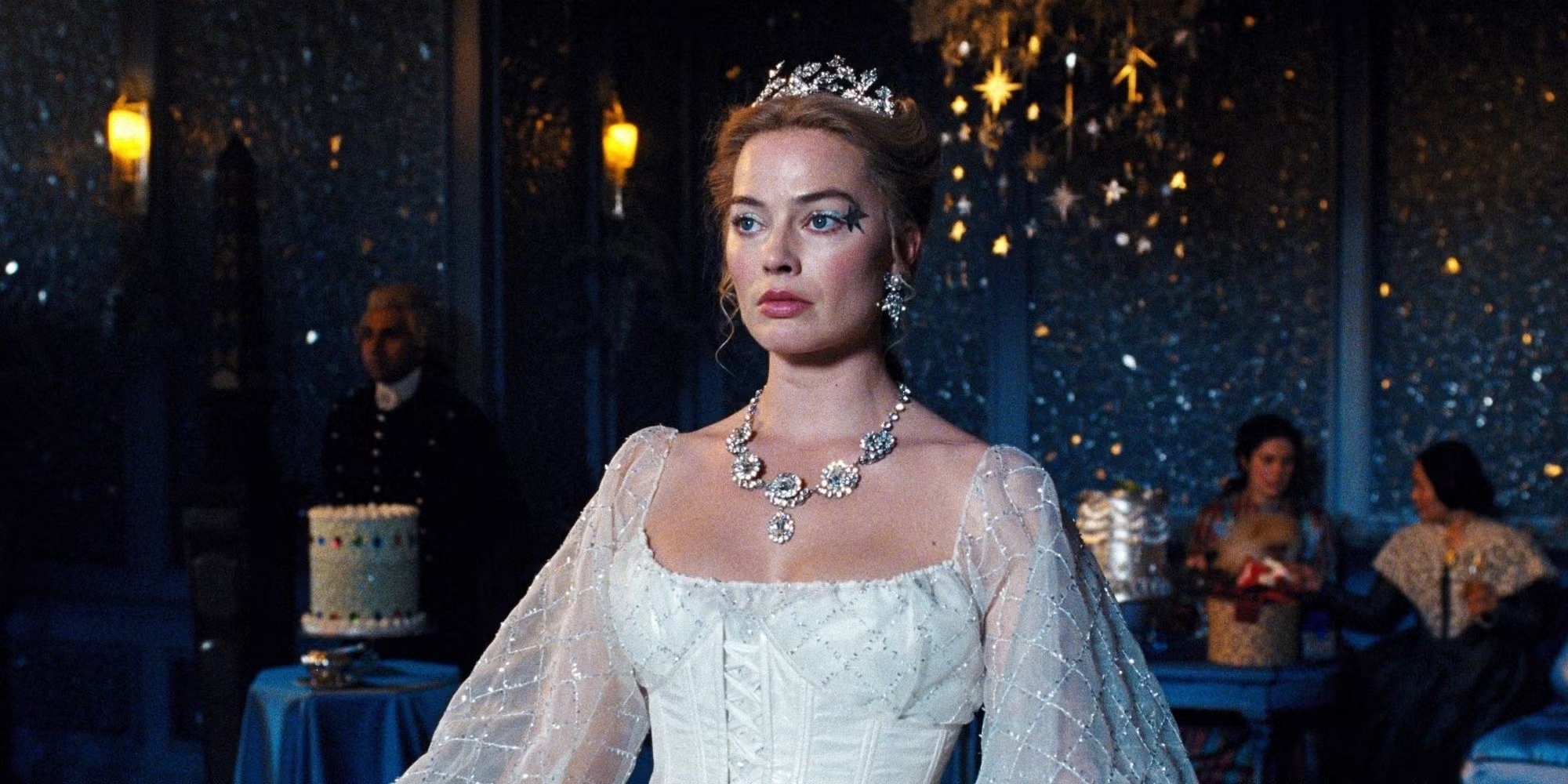
Wuthering Heights (2026) Feels Like a House With No Doors
Wuthering Heights (2026) isn’t just romance. Here’s how class, power, and revenge shape every choice and destroy everyone involved.
-
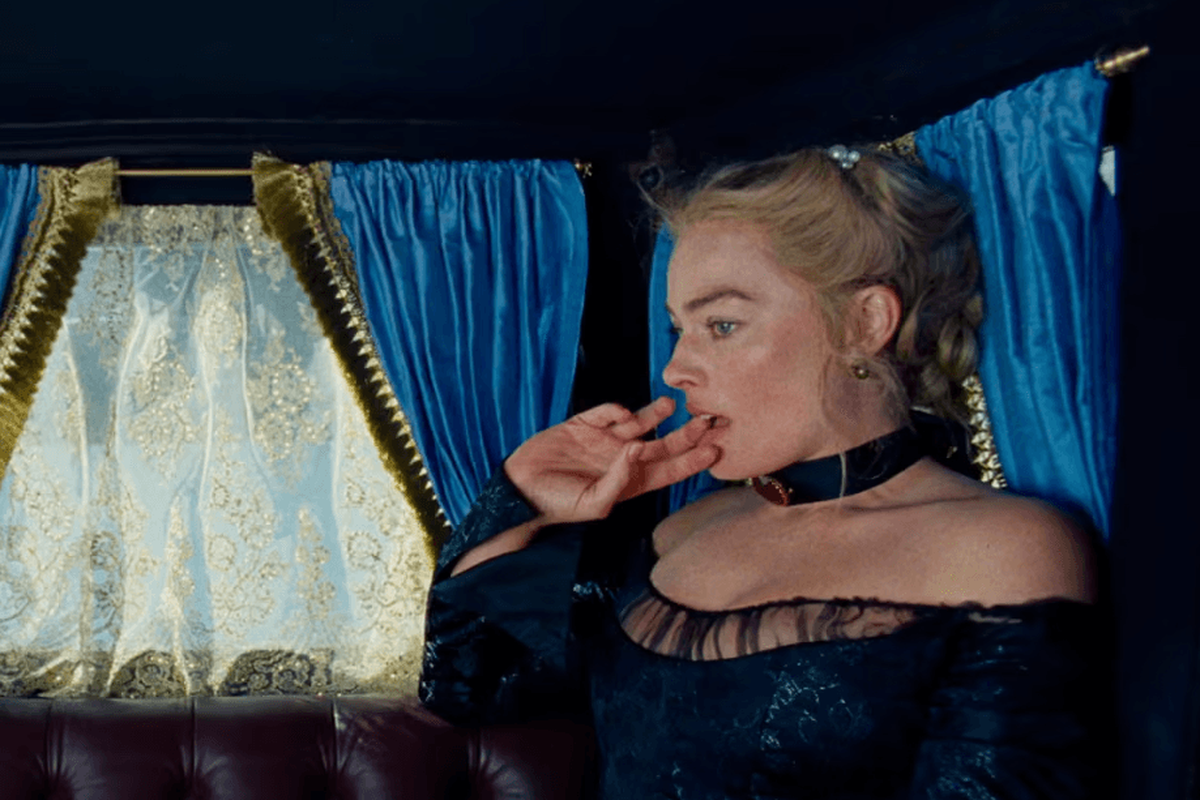
Wuthering Heights (2026) May Be the Least Romantic Love Story Ever Filmed
The new Wuthering Heights looks like a love story, but its emotional core is far more disturbing.
-
The Wuthering Heights Ending Turns Its Romance Into Something Much Darker
The Wuthering Heights ending cuts the story short, turning Cathy and Heathcliff’s romance into a haunting. Here’s what the final scene really means.
-
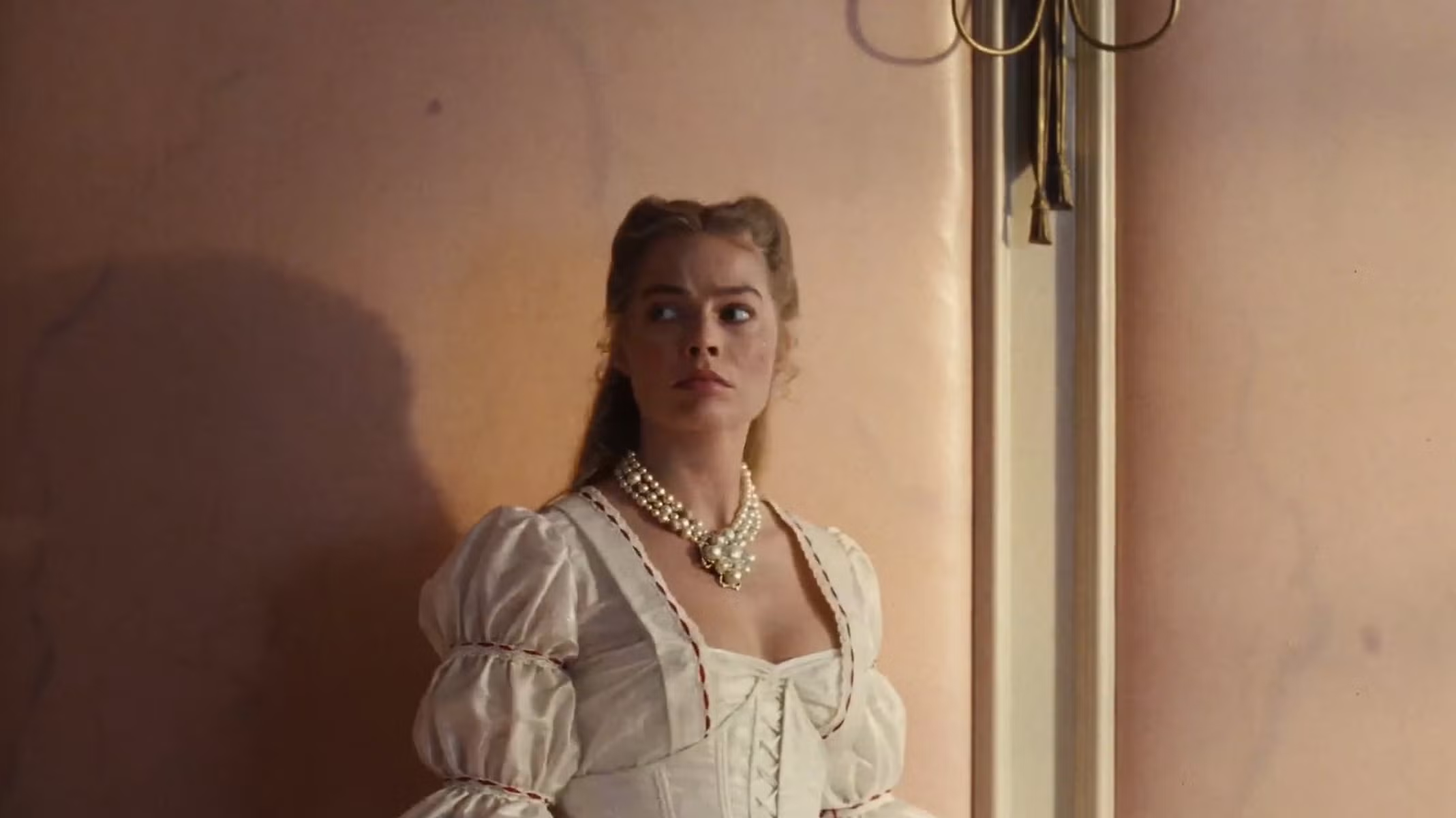
Catherine Earnshaw Chooses Survival, But Loses Herself
Was Catherine selfish or simply realistic? Lets explore the social pressures and fears behind her marriage to Edgar Linton.