-

Can You Be Grateful for What Your Father Taught You Without Forgiving Everything?
Explore Whalefall’s father and son relationship, where Jay’s gratitude for lifesaving lessons leaves room for unresolved hurt and complicated forgiveness.
-
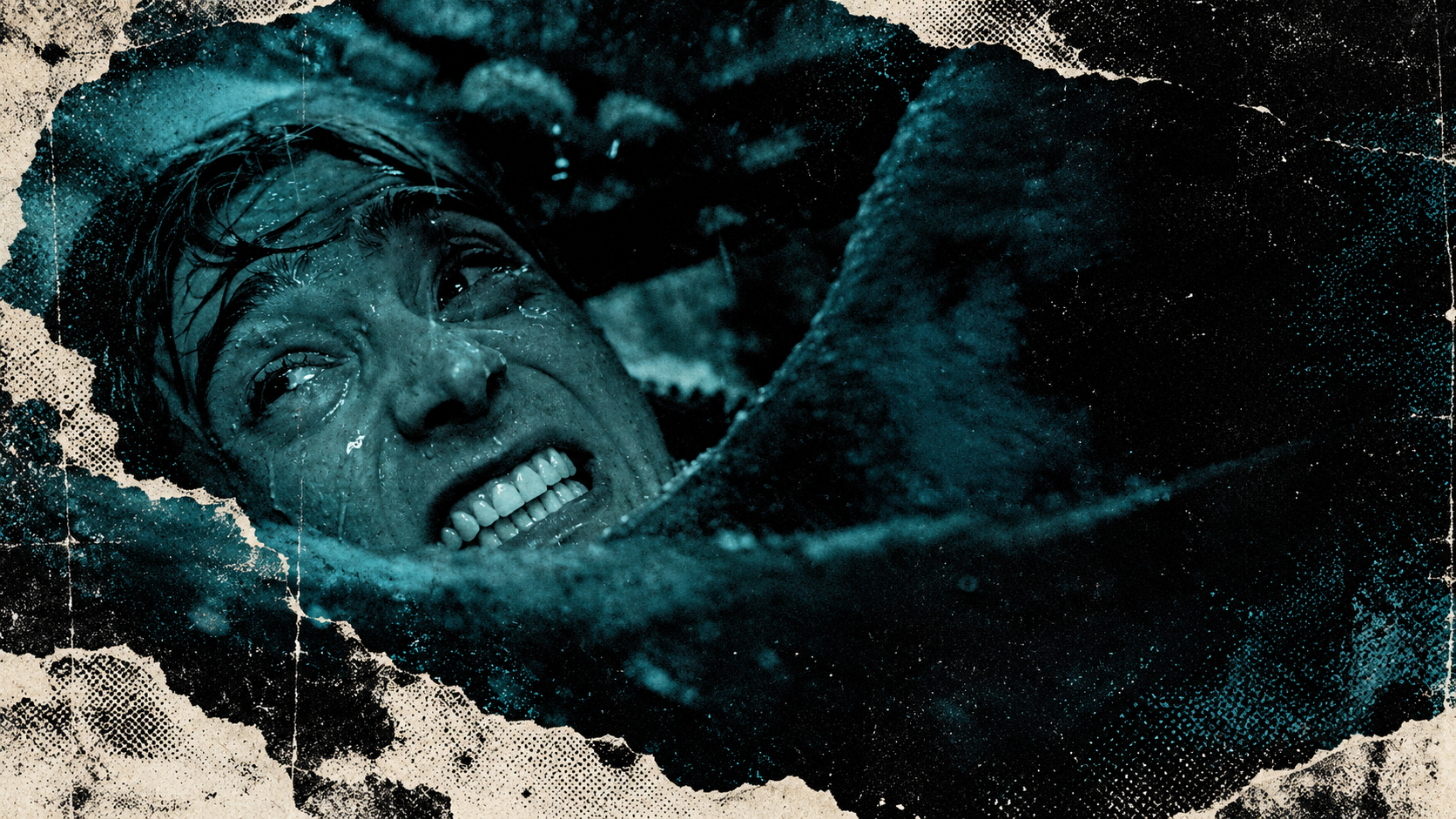
The Whale in Whalefall Doesn’t Need to Hate You to Be Terrifying
Whalefall makes its whale terrifying through indifference. Explore how Jay’s fight for survival turns an animal’s ordinary existence into personal horror.
-
Why Watching Elizabeth Holmes for Hours Still Might Not Help You Understand Her
Why watching Elizabeth Holmes for hours in You Can See Everything can make her feel familiar while leaving her motives frustratingly out of reach.
-
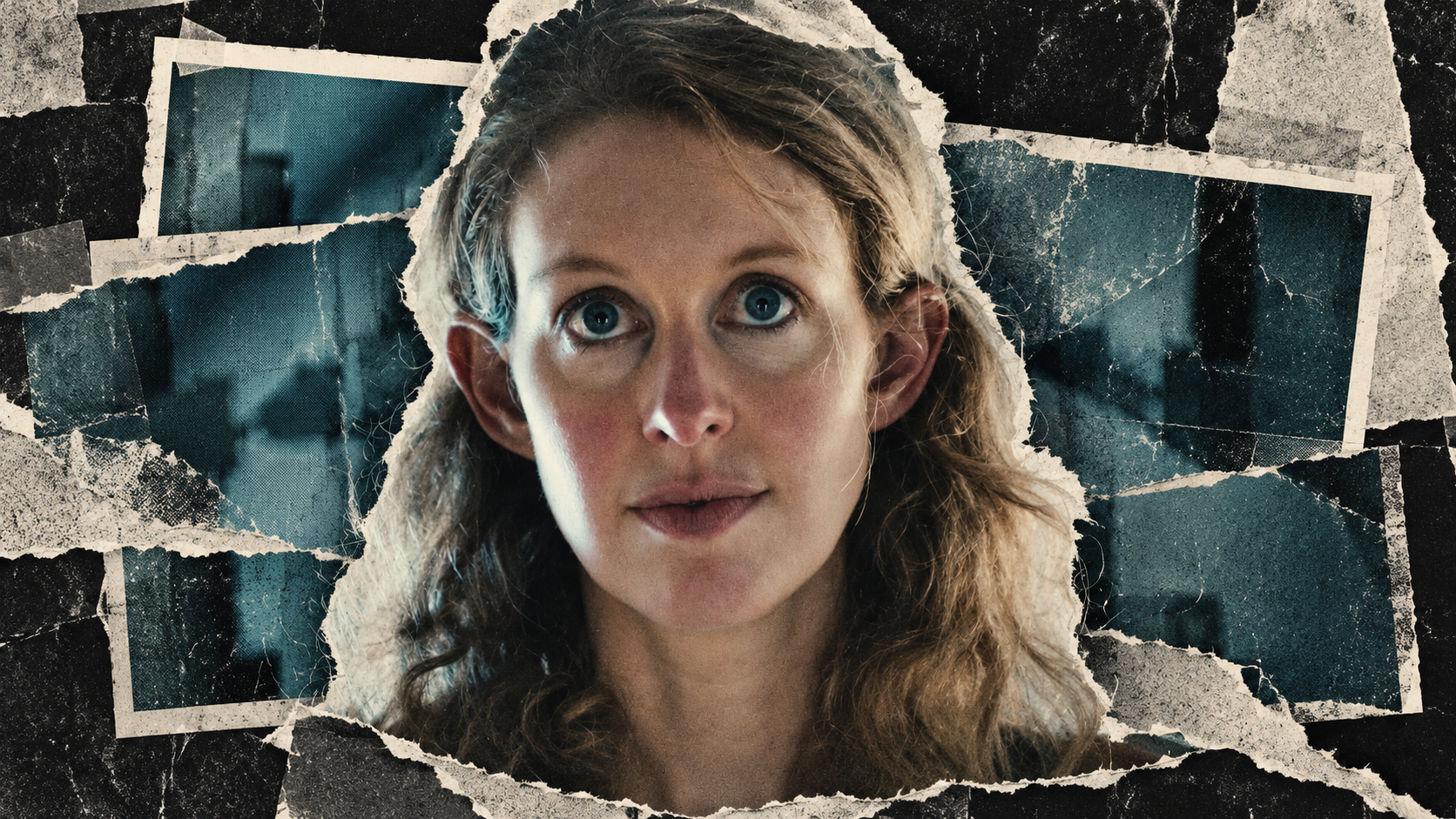
When Does a Documentary Become Someone’s Second Chance at a First Impression?
Does You Can See Everything give Elizabeth Holmes a second chance at a first impression? Explore how documentary intimacy shapes sympathy and trust.
-
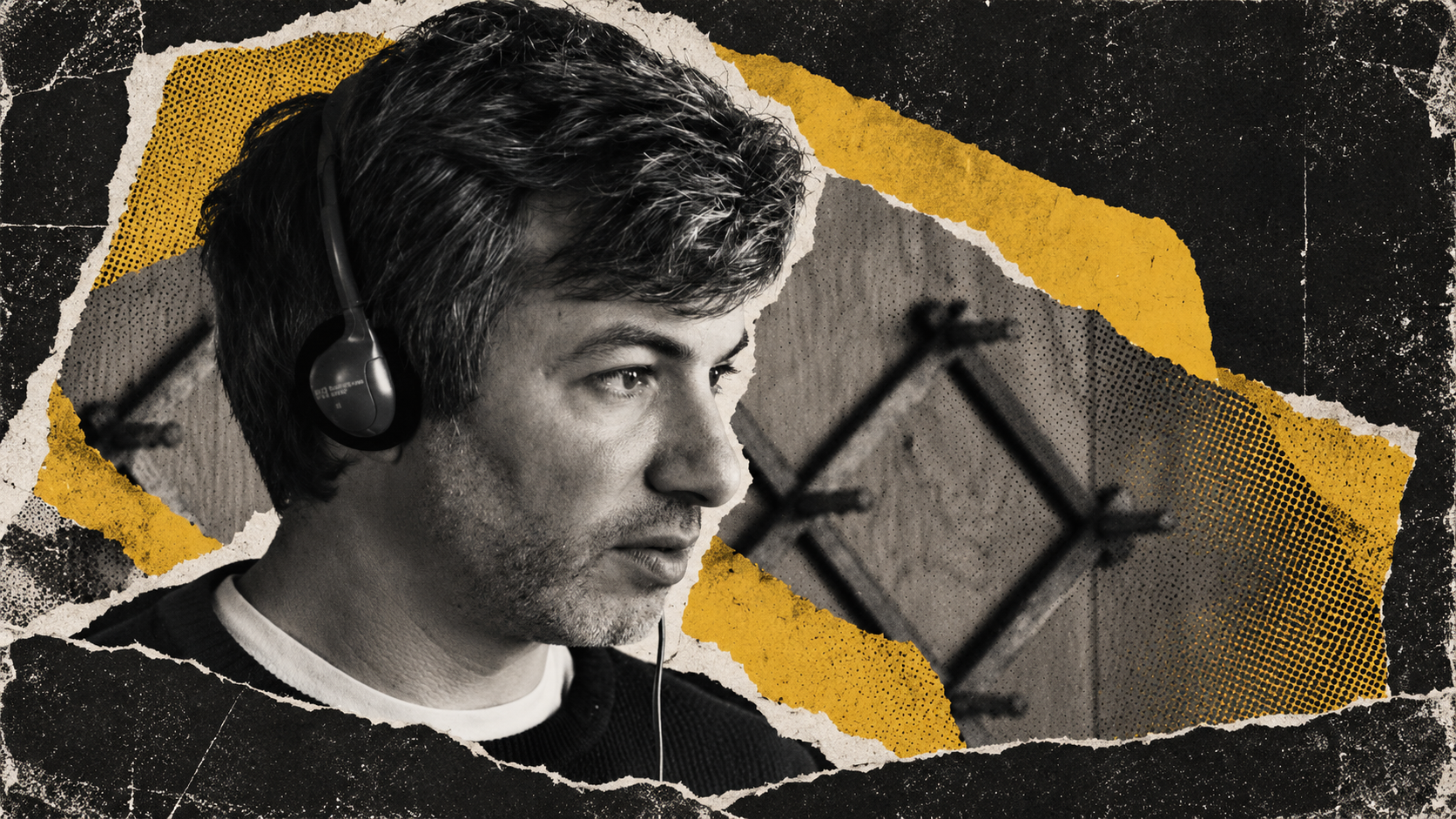
Why Do We Trust Nathan Fielder to Tell Us Who’s Performing?
Why do we trust Nathan Fielder in You Can See Everything? His familiar awkwardness shapes how we judge Elizabeth Holmes and overlook his own performance.
-

Animals (2026) Asks How Much Being a Good Person Should Actually Cost
Animals puts a price on Mark Kimball’s principles. How much will he sacrifice for someone else’s child when doing good threatens his own future?
-

Elizabeth Holmes Invited the Cameras In. What Did She Think We Would See?
Why did Elizabeth Holmes invite the cameras in? Explore how You Can See Everything turns private access into questions about sympathy, trust and control.
-

Animals and the Question of Trusting a Man Who Turns His Family Into a Campaign
Can you trust Mark Kimball in Animals? Explore how his political ambition turns family loyalty into campaign currency through a kidnapping.
-
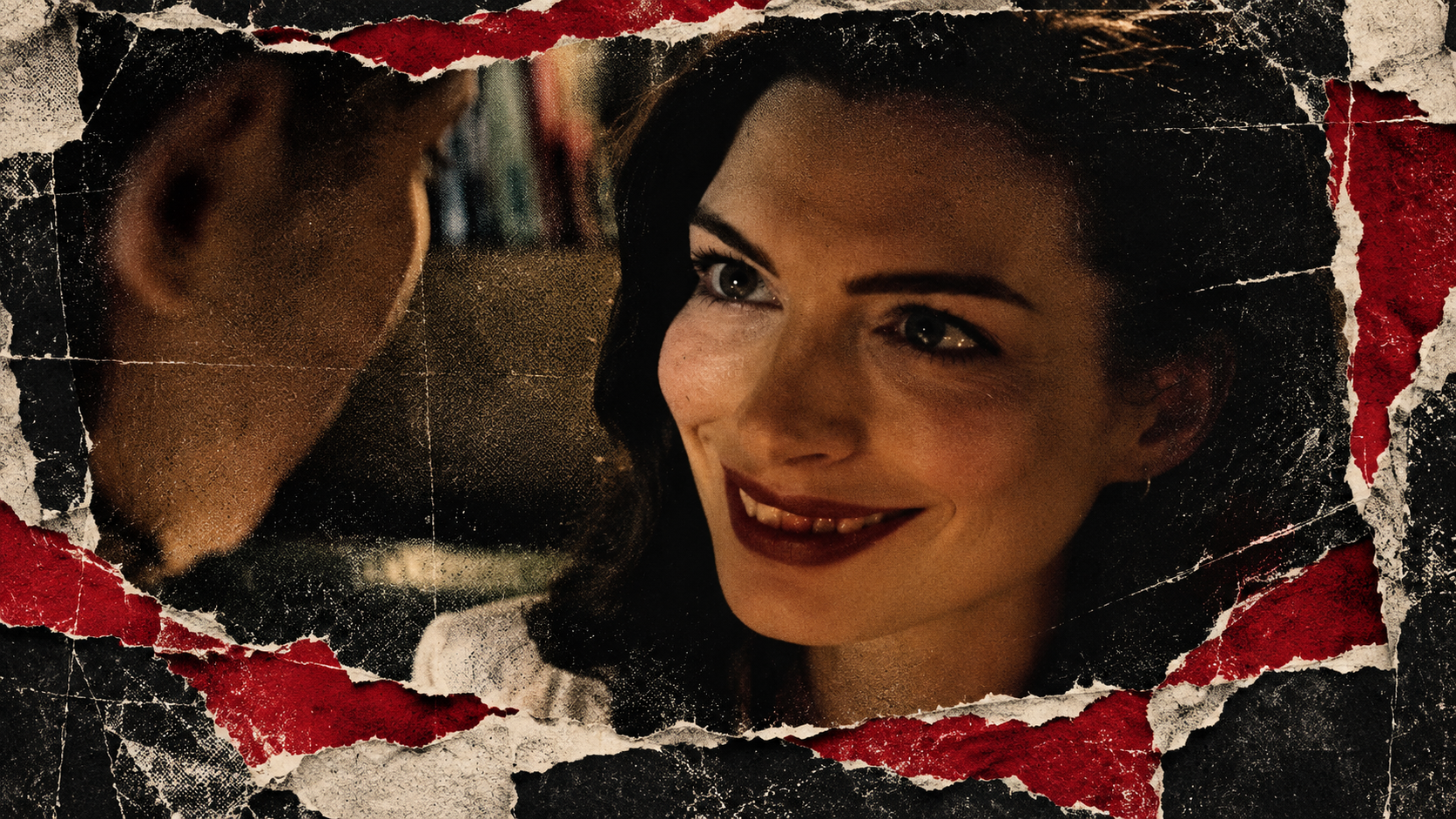
Verity and the Dangerous Appeal of Feeling Like Someone’s Rescuer
Verity’s rescuer fantasy gives Lowen a flattering reason to want Jeremy. Explore how sympathy and desire make saving him feel like the right thing to…
-

Below Makes Knowing a Place Your Whole Life Feel Like a False Sense of Security
Below turns Calvin’s lifelong knowledge of Snook’s Arm into a false sense of security as familiar waters and trusted names conceal new dangers.